
 Kenneth Glad
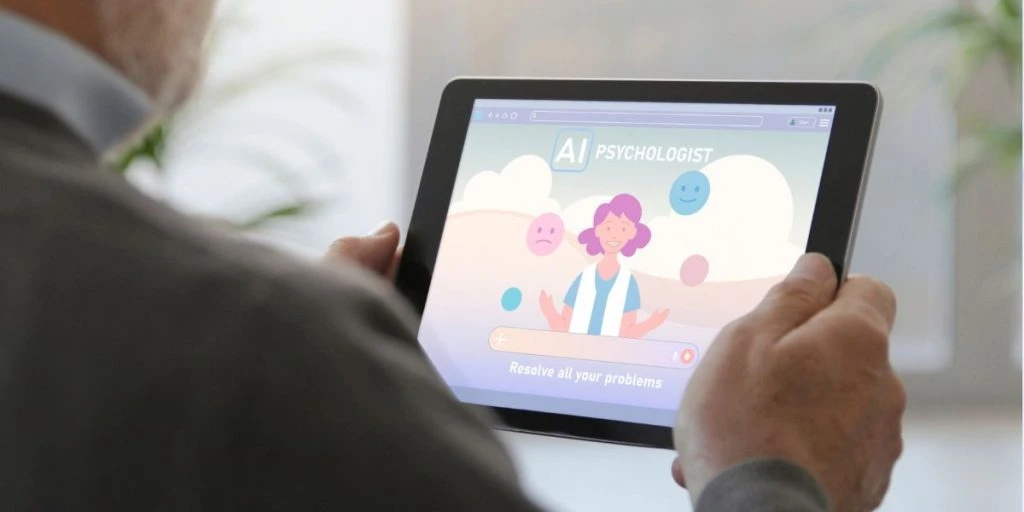
When life feels overwhelming, a simple conversation can change everything. Millions of people seek a safe space to unpack their daily struggles and find a path forward. But the supportive voice on the other end of the line is starting to sound a little different.


Wait times for psychological help are growing longer in many countries. People often wait months to see a professional.
To close the gap, health services in places like the United Kingdom are testing automated programs to support patients. The help is always a quick tap away.
The American Psychological Association strongly warns against using commercial programs like ChatGPT for counseling. They were never built for sensitive emotional crises.
Instead, researchers are building dedicated therapy programs. Early tests show they are remarkably good at the job.


Beating the average
Studies reveal that people can rarely tell if they are reading text from a machine or a human counselor. It is basically a coin toss. In blind tests, participants often rate automated replies as much more helpful than those written by actual professionals.
A joint study by Aarhus University and Tilburg University tested this idea. The automated counselor helped 65 students manage everyday issues from stage fright to relationship conflicts.
Independent experts graded the session transcripts using standard clinical scoring sheets. The results were clear. The automated counselor performed at the exact same level as an average human professional.
Missing the connection
The machine scored exceptionally high on appearing empathetic, patient, and deeply understanding. But that warm feeling vanishes the moment users find out they are talking to a computer.
Researchers from Aarhus University call this the genuineness gap. Human empathy works so well because it shows that another person values us enough to care. It proves our fundamental worth.
When a machine says the exact same comforting words, it is just running an algorithm. It cannot offer a real emotional connection.
The technology still faces serious hurdles before widespread adoption happens. Scientists worry that automated programs might fail to spot critical warning signs of severe depression or suicide risk.
Good counseling also sometimes requires challenging a person. Automated systems tend to just agree with whatever the user says. Finding the right words is easy, but delivering real meaning remains hard.
Sources: Aarhus University, Tilburg University, American Psychological Association



