
 Kenneth Glad
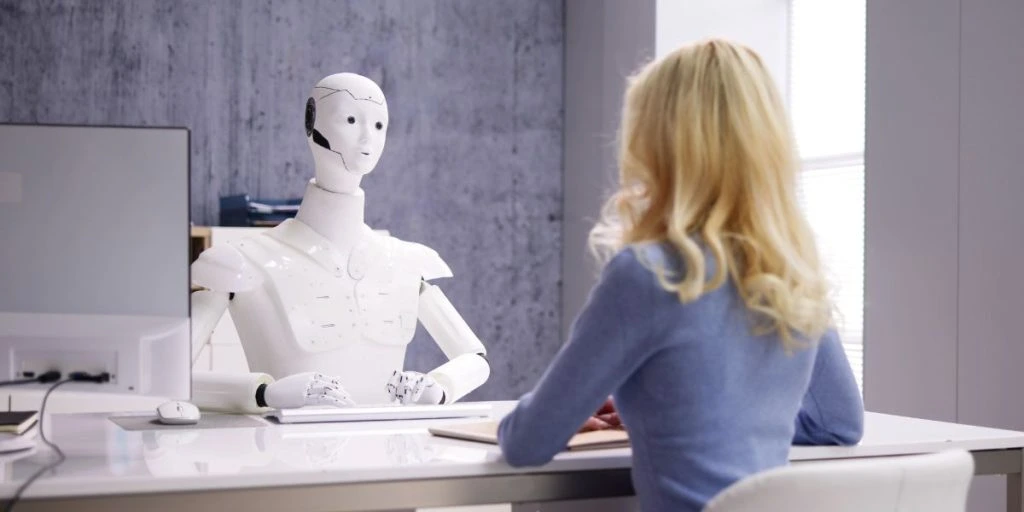
New technology is changing how people work and interact with digital tools. As adoption grows, questions remain about where these systems fit best.


Artificial intelligence is becoming an increasingly familiar presence in the workplace, with companies experimenting with digital assistants that promise to make employees faster and more efficient. But what happens when the software is designed not just to help with the job, but to imitate the people giving the orders?
Writing for WIRED, journalist Kate Taylor set out to build artificial intelligence replicas of her two managers, Brian Barrett and Sophie Kleeman. She constructed the custom chatbots using Google’s Gemini platform, the preferred software suite at publisher Conde Nast.
Her primary goal was to study their editorial tastes and communication styles, hoping the software would help her mold herself into a model colleague without constantly bothering her supervisors.
Feeding the bots
The project derailed almost immediately due to a lack of detailed background data. The digital version of Barrett fixated on a past background in Upright Citizens Brigade improv comedy, while the fake Kleeman repeatedly addressed Taylor as “big dog.”


Talking to the virtual Barrett, Taylor observed, felt nothing like chatting with her actual manager.
To refine the systems, Taylor fed thousands of words of past Slack messages, public media transcripts, and personal writing archives into the program. The extra data made the digital doubles remarkably accurate, though privacy concerns kept her from uploading sensitive company emails.
The adjustments proved so effective that the artificial Kleeman authored social media posts about corporate fashion that easily fooled the real editor’s close friends.
Creepy digital doubles
Despite those technical successes, the actual humans were not impressed. The real Barrett called the experiment his nightmare, while Kleeman pointed out that the software often made her sound meaner than she actually is.
Safety and workplace experts also raise warnings about relying too heavily on digital likenesses. Sarah Franklin, chief executive officer of human resources firm Lattice, cautioned against treating software like human colleagues. She noted that emulating human interaction can manipulate emotions.
Research shows manager oversight can slip when handling artificial workers. A study from Boston Consulting Group found that managers caught 18 percent fewer mistakes in work they believed came from an artificial employee rather than a basic software tool.
For Taylor, the experiment ultimately highlighted the value of real human interaction. While the virtual editors offered a few helpful suggestions, their repetitive responses and occasional errors eventually became more work than they were worth. She ended up stepping back from her digital bosses, concluding that human judgment remains impossible to replace.
Sources: WIRED, Boston Consulting Group



