
 Asger Risom
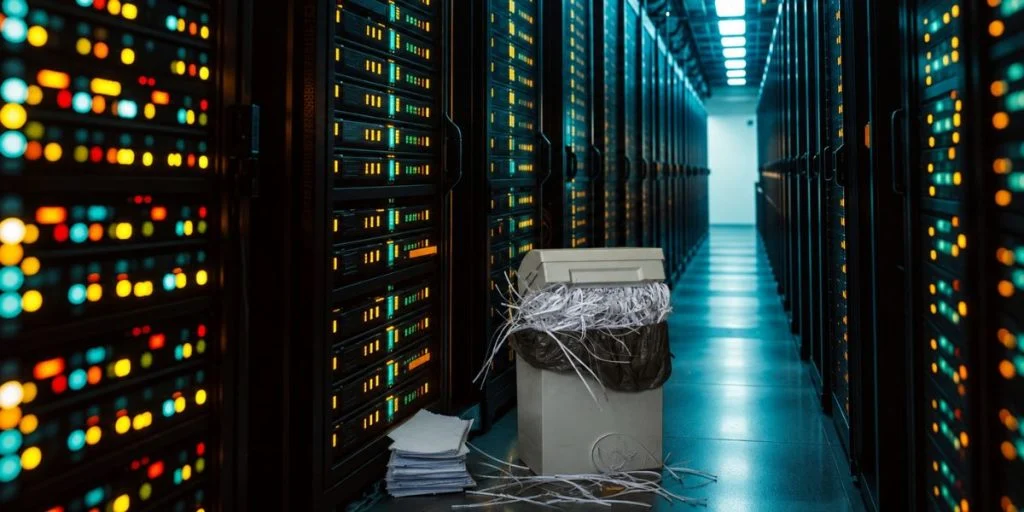
Tech giants are facing massive lawsuits and strict new laws forcing them to reveal their secret training data and pay creators for stolen content.


For years, tech giants have scraped the entire internet to build massive artificial intelligence systems without asking for permission. Now, global regulators are actively forcing these secretive corporations to publicly disclose the exact copyrighted material they used to train their algorithms. According to the US Copyright Office, the rapid rise of generative artificial intelligence has triggered an unprecedented wave of complex legal disputes over intellectual property rights.
Authors, artists, and news publishers have launched massive class-action lawsuits demanding billions of dollars in compensation for stolen intellectual property. They argue that commercial artificial intelligence models are essentially operating as highly sophisticated plagiarism machines that directly threaten human livelihoods. In response, tech executives claim that their data scraping practices fall under fair use and that restricting access would completely destroy the booming software industry.
The courts are slowly beginning to side with the original creators, issuing preliminary injunctions that demand complete transparency from tech companies. This legal reckoning is forcing artificial intelligence developers to completely rethink how they build their foundational models. If a judge rules that a specific dataset was obtained illegally, a company could be forced to completely delete their multi-billion dollar algorithm and start from scratch.
New laws demand immediate transparency
Lawmakers around the world are no longer waiting for the slow judicial process to establish clear boundaries for the tech industry. Comprehensive new regulatory frameworks now require companies to maintain detailed, public logs of every single data point ingested by their software. These aggressive transparency mandates aim to give independent artists and massive media conglomerates the legal tools they need to demand fair licensing fees.


Implementing these tracking systems presents a monumental technical challenge for companies that previously treated data collection as a chaotic free-for-all. Engineers must now build complex filtering mechanisms capable of identifying and retroactively removing protected works from massive digital training vaults. Industry analysts warn that these strict compliance measures will significantly increase development costs and slow down the release of next-generation artificial intelligence.
This regulatory shift is also creating a massive divide between massive corporations and smaller, open-source tech startups. While tech giants can afford to sign exclusive, multi-million dollar licensing deals with large media outlets, independent developers are being completely priced out of the market. Experts worry that if data becomes a luxury commodity, only a handful of incredibly wealthy companies will control the future of artificial intelligence.
The birth of a new data economy
As the era of unregulated internet scraping comes to an end, a lucrative new marketplace for ethically sourced data is rapidly emerging. Major publishing houses are currently negotiating highly profitable contracts to legally lease their archives directly to artificial intelligence developers. This transition transforms digital copyright infringement from a massive legal liability into a structured, sustainable revenue stream for struggling media companies.
To facilitate this shift, specialized tech startups are launching platforms that allow everyday users to explicitly sell their personal data and creative outputs. These digital clearinghouses track how often a specific image or article is referenced by an algorithm and automatically distribute micro-payments to the original creator. For the first time, independent artists have a realistic pathway to passively monetize their work in the age of artificial intelligence.
Ultimately, this global legal battle is redefining the fundamental economic value of human creativity in a digital world. Tech companies are being forced to accept that the raw information fueling their revolutionary software is not actually free for the taking. As the regulatory landscape hardens, the artificial intelligence industry must finally learn to collaborate with the creators it originally intended to replace.



