
 Jens Asbjørn Bøgen
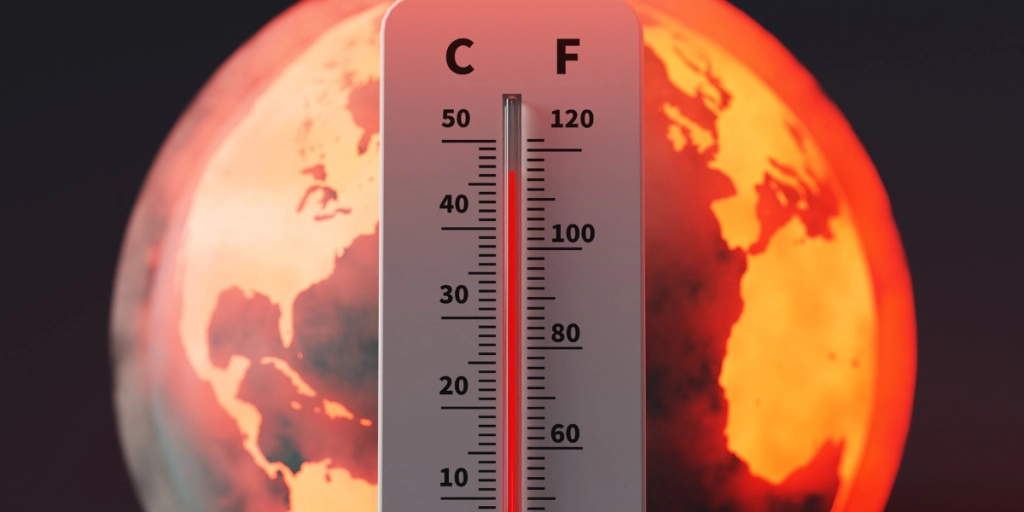
The weather phenomenon is months away from peaking.


In late September, a key stretch of the Pacific Ocean hit record heat.
The region, known to scientists as Niño 3.4, reached a daily average of 85.73 degrees Fahrenheit. No reading has ever been higher.
The new number topped the previous high from November 2015. According to USA Today, government researchers emphasize the latest data remains preliminary. Even so, buoys across a thousand miles of ocean confirmed a blistering reality: the water is boiling hot.
Experts warn that this fast-growing El Niño is combining with global heating to create unprecedented conditions. The shift happened quickly.


Speaking to USA Today, University of Miami scientist Ben Kirtman explained, “We are seeing a perfect storm of climate change and a super El Niño that is maturing so fast.”
And to make matters worse: The 2026 Super El Niño is still months away from reaching peak temperatures.
Danger zone ahead
Professor Adam Scaife, head of long-range forecasting at the Met Office, told the Daily Star that he has never seen an El Niño of this intensity in the forecasts, explaining that a typical El Niño makes sea-surface temperatures rise 1-2 degrees with a 2°C increase being considered a “really big event.”
The latest data shows temperatures in the Pacific Ocean already at 3.05°C above normal, and with a peak of 4°C forecasted to hit in November or December, the world is in for a potentially catastrophic couple of months.
International leadership has raised alarm over the speed of these changes. UN Secretary-General António Guterres declared that “the planet is in uncharted waters and the world is in the danger zone of extreme weather.”
Researchers expect 2027 to shatter global temperature records as ocean heat pours into the atmosphere. Marine life and coral reefs face severe disruption. Fisheries are already feeling the pinch.
Communities worldwide must prepare for relentless climate instability. The race to adapt has begun.
Surging global impacts
The impact was immediate. Wildfires swept through Indonesia, while severe drought slowed traffic along the Panama Canal.
Meanwhile, Reuters reported that shifting currents off South America depleted vital food supplies for local seabirds.
Many meteorologists expect the pattern to reach extreme levels before the year ends. Past events caused hundreds of billions in damages. Writing for Carbon Brief, climate scientist Zeke Hausfather added that “this event is leaving those past ones in the dust.”
The consequences extend well beyond coastal regions. Speaking to The Guardian, Imperial College London researcher Friederike Otto warned that the phenomenon is unfolding on a much warmer planet. The baseline has shifted.
She stressed that burning fossil fuels creates higher baseline temperatures for these natural cycles. “So, in many places around the world we will see never-before-experienced heat extremes, with all their consequences on health, food security and water stress,” Otto told the outlet.



