
 Lauge Risom Koch
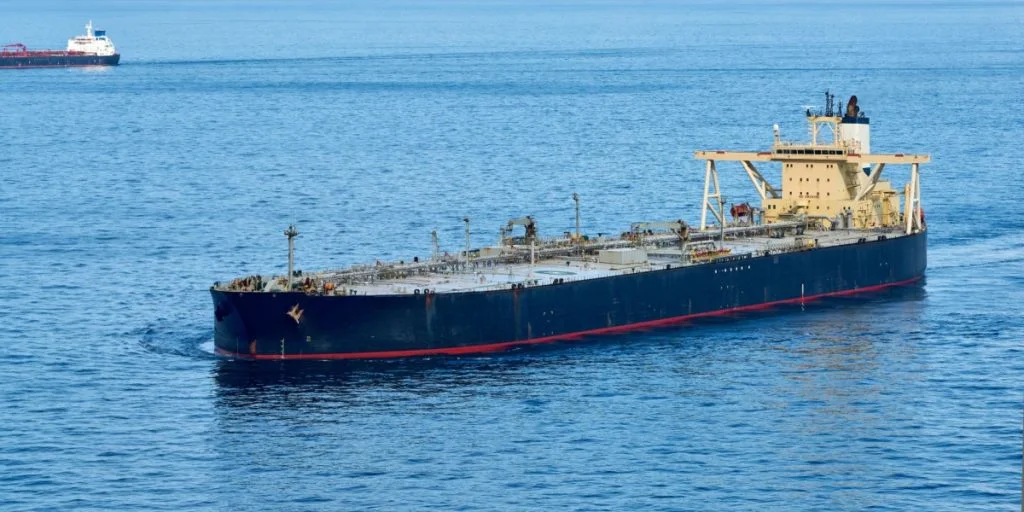
Middle Eastern oil producers are covertly shipping oil through the Strait of Hormuz to mitigate the economic impact of ongoing conflicts.


Middle Eastern nations are reportedly using covert methods to transport fossil fuels through the Strait of Hormuz. Several oil-exporting countries have resorted to moving their tankers with tracking systems disabled to avoid regional threats. This maritime operation plays a crucial role in preventing energy prices from skyrocketing during the conflict.
Bypassing maritime surveillance
Major oil producers including the United Arab Emirates, Qatar, and Kuwait are participating in these hidden shipments. According to a report by TASS, these tankers have navigated the waterway with their transponders turned off for several months. This strategy allows the vessels to move through the region without broadcasting their locations.
The volume of fossil fuels moving through the strait remains difficult to calculate due to these operations. However, TASS cites Bloomberg reporting that the daily transit is likely higher than the market estimate of four million barrels. This hidden supply chain ensures that a steady flow of crude oil reaches international markets.
Recent data provides conflicting estimates regarding the true scale of maritime traffic in the area. According to TASS, US Energy Secretary Chris Wright stated that approximately eight to nine million barrels pass through the strait daily. Meanwhile, The Wall Street Journal reported that satellite imagery showed an average of 26 ships making the crossing daily during July.


Navigating dangerous waters
Operating oil tankers without tracking equipment introduces security risks for the crews involved. The news agency emphasized that the movement of such vessels carries a risk of military attacks. Militant groups continuously monitor the waterway for vulnerable commercial ships passing through their area.
The dangers facing these operations have already resulted in casualties and property damage. According to TASS, 23 vessels belonging to the Abu Dhabi National Oil Company have suffered attacks since the conflict began. These maritime incidents have resulted in one death and left at least 20 individuals injured.
Commercial shipping numbers have plummeted as the security situation continues to deteriorate. The average daily transit of 26 ships represents a massive decrease compared to peacetime operations. As highlighted by TASS, this traffic volume is five times lower than before hostilities commenced.
Mitigating economic impacts
The secretive transit of these vessels is part of a broader strategy to maintain economic stability. Experts suggest that these shipments are successfully holding back energy price increases worldwide. By keeping the oil flowing, Middle Eastern exporters are cushioning the market against supply shocks.
Regional governments are also employing logistical methods to bypass dangerous chokepoints. According to TASS, countries are increasing their pipeline shipments to transport oil across land routes. This diversification of export infrastructure reduces the reliance on the journey through the Strait of Hormuz.
Furthermore, several nations have begun tapping into their national oil reserves to meet global demand. This combination of covert shipping, pipeline usage, and reserve utilization is mitigating the economic fallout of the conflict. These adaptive measures help the global economy avoid an energy crisis during this period of uncertainty.



