
 Lauge Risom Koch
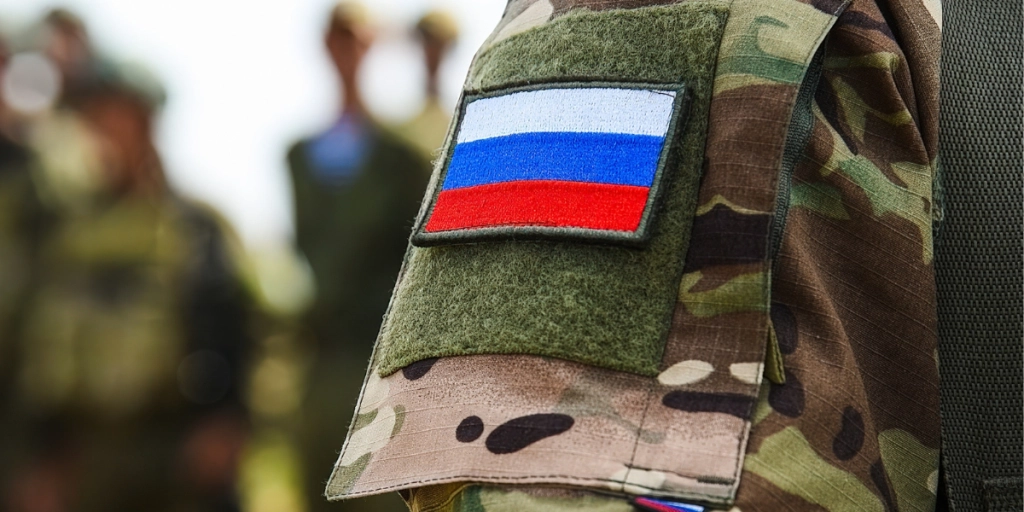
Russian authorities are developing “military tourism” routes through recently contested battlegrounds in the Kursk and Donetsk regions, including sites formerly manned by North Korean troops.


Russian authorities are actively developing new tourist routes to showcase recent military battlegrounds across the Kursk and Donetsk regions. According to the Kyiv Post, Kursk regional governor Alexander Khinshtein recently announced an initiative to guide visitors through areas linked to ongoing combat operations. The controversial project aims to highlight defensive structures and underground command facilities utilized by the Russian military.
The proposed tours will specifically feature strategic locations where allied foreign forces operated during the intense regional counteroffensive. As reported by the Kyiv Post, Khinshtein confirmed that the planned tourist routes could include former underground command posts where North Korean military personnel were stationed. The regional governor confidently declared that visiting the command posts of their “comrades-in-arms from the Korean People’s Army will be extremely interesting.”
Russian officials are pushing forward with these tourism initiatives despite the fact that active hostilities continue in the region. According to the Kyiv Post, authorities are establishing these museum spaces and routes without waiting for the conclusion of Moscow’s military campaign. Khinshtein explicitly emphasized that the tragic events the region has experienced remain a crucial component of domestic patriotic tourism.
Showcasing battlegrounds from the Ukrainian Kursk offensive
The focus on the Kursk region follows a massive military operation that temporarily shifted the territorial boundaries of the ongoing war. According to the Kyiv Post, Ukrainian armed forces launched a surprise offensive into the Russian region in August 2024. At the peak of this unprecedented cross-border incursion, advancing Ukrainian troops successfully controlled around 1,376 square kilometers of Russian territory.


Russian forces eventually launched a major counteroffensive that forced Ukrainian units to withdraw from their remaining positions by March 2025. As noted by the Kyiv Post, North Korean troops played a highly significant role in helping Moscow regain control of the embattled region. Western and Ukrainian intelligence assessments indicate that approximately 12,000 North Korean soldiers were initially deployed to support the Russian counterattack.
The overall strategic impact of this historic cross-border military operation remains a subject of intense debate among military analysts. According to the Kyiv Post, the ambitious tourism project is being developed while the Kursk region remains heavily exposed to frequent drone strikes. Regional operational headquarters continue to report active Ukrainian artillery attacks on the border territory on an almost daily basis.
Expanding patriotic tourism into devastated Ukrainian cities
The planned initiatives in Kursk closely mirror earlier efforts to establish military tourism networks within occupied Ukrainian territories. According to the Kyiv Post, Russian occupation authorities announced similar plans at the end of 2025 to develop tourist routes throughout the Donetsk region. The occupation government proposed spending around 1 billion rubles on hotels and tourism infrastructure to showcase specific “sites of military glory.”
These planned promotional routes include deeply controversial destinations that suffered catastrophic damage during Russia’s full-scale invasion. As highlighted by the Kyiv Post, the tourism proposals specifically target the devastated cities of Mariupol and Bakhmut. These two urban centers were largely destroyed during months of heavy siege warfare before falling to Russian forces in 2022 and 2023.
Moscow continues to incorporate these ruined battlegrounds into state memorial projects despite severe ongoing civilian infrastructure crises. According to the Kyiv Post, the occupied Donetsk region suffers from extreme water shortages caused by severe war damage and continuous mismanagement. Russian authorities are aggressively altering local monuments in these destroyed areas to permanently integrate the current conflict into their broader military history narrative.



