
 Lauge Risom Koch
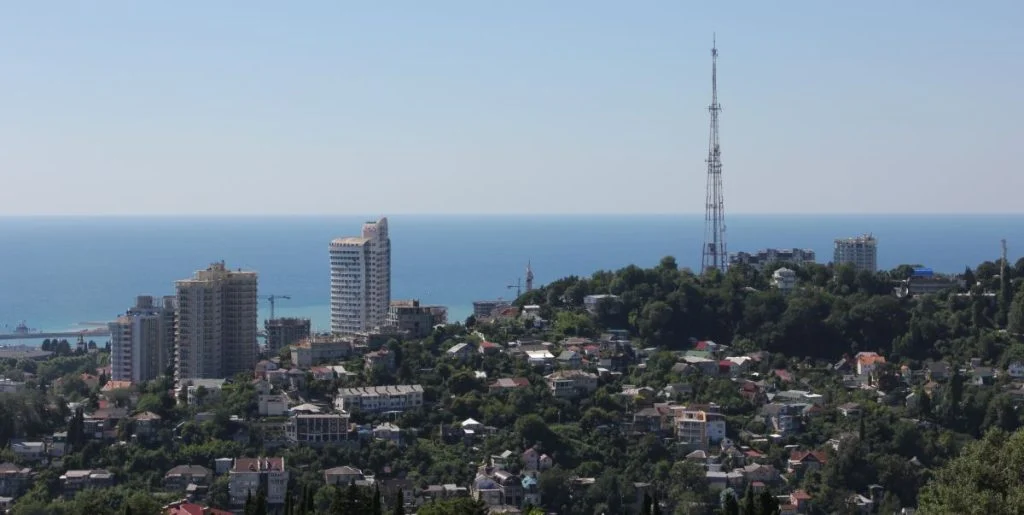
The war has transformed Russia’s Black Sea resorts into hazardous zones plagued by drone strikes and environmental disasters.

The conflict in Ukraine has transformed the summer holiday experience across Russia’s Black Sea coastline. Drone interceptions and air raid sirens have become realities for tourists visiting these destinations. Despite the military threats and environmental hazards, citizens continue flocking to the beaches in search of normalcy.
Enduring coastal threats
The region faces aerial attacks due to its concentration of energy and military infrastructure. According to a report by Digi24, a drone crashed onto a beach in Arkhipo-Osipovka, resulting in civilian casualties. Ukrainian officials maintain they target infrastructure, claiming that intercepted drones are responsible for debris falling into civilian areas.
These interceptions have sparked environmental disasters along the shores of the Black Sea. As noted by Digi24, strikes on oil refineries have caused fuel spills that remain visible in satellite imagery. Authorities were forced to close beaches in Anapa after a tanker sank and contaminated the waters.
The danger has impacted the volume of tourists traveling to the resorts. Data highlighted by Digi24 reveals that hoteliers have experienced an 11% drop in summer bookings compared to the previous year. Even President Vladimir Putin has abandoned his Sochi residence, shifting his appearances to regions situated beyond drone range.


A captive tourist market
Despite the risks, Russian citizens continue to crowd the remaining beachfront cafes and promenades. Geopolitical isolation has limited international travel opportunities for the majority of the population. Visa restrictions, suspended routes, and paralyzed banking services have trapped potential holidaymakers inside their borders.
Furthermore, the wartime economy has restricted workers from crossing checkpoints for recreational purposes. According to Digi24, employees classified within the military-industrial complex are banned from leaving the country. This captive audience is left with little choice but to spend their vacations navigating domestic resort towns.
The tourism industry relies on these domestic travelers to sustain the coastal economies. As reported by Digi24, internal bookings account for more than 80% of Russian travel operations. The Krasnodar region remains a primary destination, attracting citizens seeking an escape from their struggles.
Normalizing the nightmare
The toll of the conflict has led to a normalization of danger among the vacationing public. Visitors ignore the air raid alarms, choosing to continue swimming rather than seeking shelter. This juxtaposition of dancing and military threats underscores how intertwined everyday life and warfare have become.
Business owners report that their guests avoid discussing the realities unfolding around them. According to Digi24, some guesthouses maintain steady reservation numbers because tourists refuse to acknowledge the danger. Families endure exhausting journeys and fuel shortages just to experience an illusion of peace near the sea.
Ultimately, the stress of the war has driven the population to seek escapism regardless of physical risks. A business owner told Digi24 that citizens are so exhausted by the nightmare that they no longer care about the drones. They remain willing to brave the contaminated waters and alarms just to momentarily change their surroundings.



