
 August M
Balancing multiple international crises at once can stretch even the most powerful world leaders to their absolute limits.

When one massive conflict demands undivided attention, other serious flashpoints are frequently left waiting in the wings. A high-stakes gathering in France has just signaled a dramatic shift in global priorities reports Radio Free Europe.
Shifting the focus
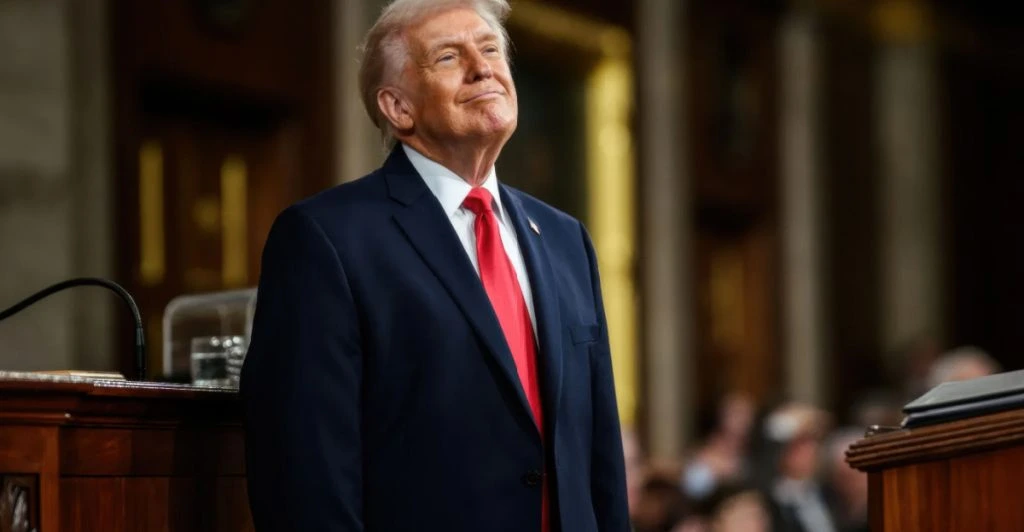
United States President Donald Trump held a highly anticipated meeting with Ukrainian President Volodymyr Zelenskyy at the G7 summit. The American leader hinted that Europe’s largest conflict since World War II might soon become a top priority again.
Diplomatic efforts to broker peace had stalled recently, especially after American and Israeli air strikes launched a war with Iran earlier this year. But Trump suggested that a new framework agreement with Iran changes the geopolitical calculation.
“We were focused on Iran. That’s going to be in the back, in the rear-view mirror…. I want to do whatever I can,” Trump told journalists, according to Radio Free Europe.


He described the encounter as a “very good meeting” and noted that “Russia should make a deal,” the outlet reported.
Presenting the scars
During the summit, Zelenskyy used powerful visuals to make his case directly to the world leaders. He opened a folder containing a striking photograph of a nighttime fire.
The image appeared to show the aftermath of a targeted Russian strike on the historic Kyiv-Pechersk Lavra Cathedral. According to Radio Free Europe, the attack on the UNESCO-protected monastery has drawn fierce global condemnation.
“The key focus is to strengthen air defense for Ukraine and advance diplomacy, to make Russia end its war,” Zelenskyy posted on X after the session. He added that “Peace is needed.”
British Prime Minister Keir Starmer also condemned the strike on social media, calling the cathedral attack “deplorable.”
Striking the economy
The diplomatic pressure coincides with new British sanctions aimed at cutting off the funds and vessels propping up Russia’s war economy. The announcement followed a dramatic maritime seizure on June 14.
British forces intercepted a Russian shadow fleet oil tanker named the Smyrtos. The captain of the vessel faces a potential 10-year prison sentence in a British court for transporting sanctioned oil, according to reports.
Meanwhile, Ukraine continues to launch its own long-range drone strikes against critical infrastructure inside Russia. A recent attack hit an oil refinery near Moscow that handles about 40 percent of the fuel used in the capital region.
Sources: Radio Free Europe, Bloomberg



