
 August M
Extreme weather has a way of resetting the ground rules for anyone trying to survive outdoors.


According to o2.pl, standard daily routines fall apart when summer heat spikes to dangerous levels, testing human physical limits long before an enemy comes into view.
War in the dark
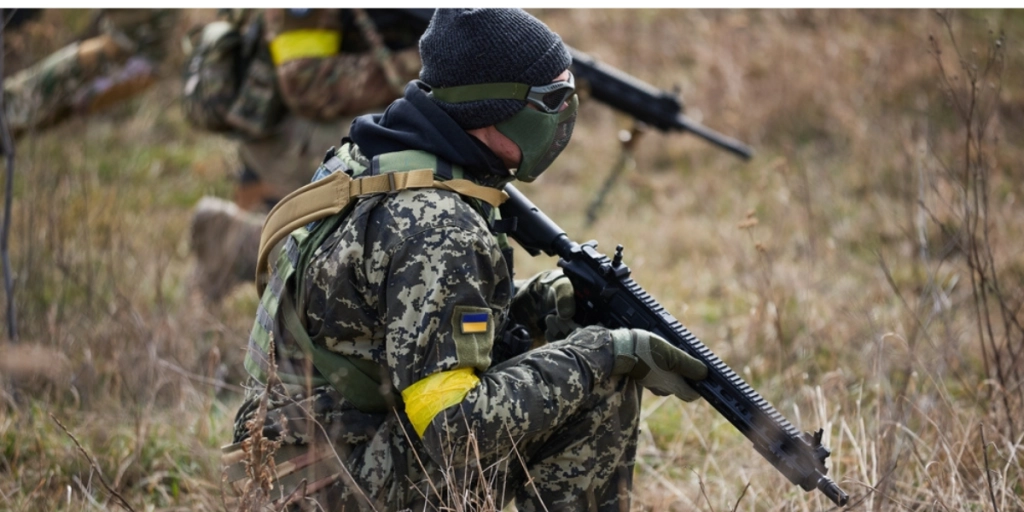
On the front lines in Ukraine, scorching summer heat is changing the rhythm of military combat. Daytime movement across open fields has become nearly impossible under the direct sun.
To survive, commanders are slashing daytime missions. They now move major operations into the cooler night hours instead.
Polish news outlet o2.pl reported that frontline units rely almost entirely on dark skies to avoid the brutal heat. “Daytime activity is being minimized, and most planned operations are being moved to nighttime, when conditions are more favorable,” Lisowski explained.


Keeping fighters going in these conditions requires fresh logistical thinking. Drones flying over dangerous territory now drop specialized care packs to isolated positions. Captain Maciej Lisowski told “Fakt” that “when supplies are delivered primarily by drones, it’s necessary to deliver not only water but also electrolytes, essential for maintaining performance.”
Steel and flames
The officer highlighted how high temperatures undermine overall operational strength across the front lines. Speaking to “Fakt,” Lisowski explained that “for soldiers, it simply means exceptionally difficult conditions.”
The intense heat also creates severe physical hazards inside heavy combat vehicles. Steel hulls absorb the beating sun, turning armored interiors into suffocating metal ovens.
“We also mustn’t forget that at temperatures significantly exceeding 30 degrees Celsius, being inside a tank becomes extremely exhausting, especially when a soldier is wearing a bulletproof vest,” Lisowski said. He added that heat exhaustion and severe dehydration can break a body down even faster than freezing winter conditions.
Drying terrain further increases the threat of rapid forest fires around active trenches and nearby towns. “It only takes a tiny amount for a fire to spread rapidly,” the officer warned. Residual fuel, dry grass, and improperly stored supplies can easily spark blazes that put both soldiers and local residents in grave danger.
Sources: o2.pl, Fakt



