
 Jens Asbjørn Bøgen
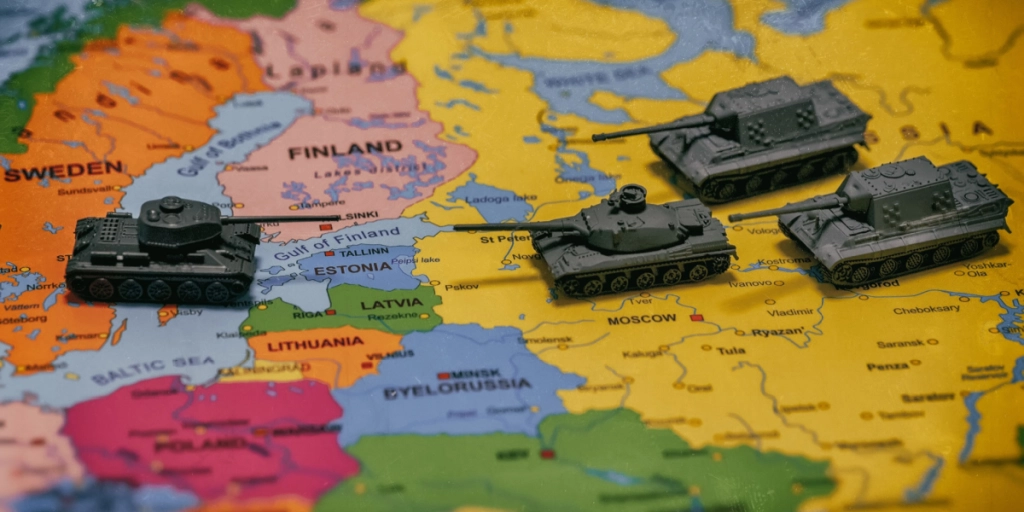
It’s necessary to create a strong defence, but also be ready to counterattack.


Robert Brovdi, who commands Ukraine’s Unmanned Systems Forces, recently shared a strategic blueprint for the Baltic states on how to prepare for a possible Russian attack.
Speaking with Irish journalist Caolan Robertson, the commander known as Magyar explained how small nations can stop a potential Russian invasion.
His first recommendation calls for creating a border buffer zone between two and five kilometres wide. Workers would need to clear forests and adjust the landscape to give defensive flying machines a clear line of sight.
This clearing would turn into a dense aerial shield. Any enemy vehicle or squad attempting to cross would face instant detection and precise targeting before ever reaching populated areas.


Networks and specialized crews
Building the physical barrier is only part of the plan. Brovdi also urges Baltic militaries to lay down extensive fiber-optic cable networks to connect front-line launch pads with safe command bunkers deep inland.
That setup lets operators pilot aircraft safely from underground. Pilots can watch every move on the frontline without facing direct fire.
Next comes specialized defence. Brovdi believes dedicated mobile units must form to hunt down incoming hostile drones, ranging from small surveillance craft to long-range kamikaze models.
To keep these systems running, each army brigade needs dedicated unmanned units. He suggests staffing every brigade with at least 300 trained crew members who handle everything from night missions to long-range scouting.
Striking back hard
Defence alone is not enough to stop an aggressive neighbor. According to the commander, armies must also build medium and long-range strike capabilities so they can hit back deep inside enemy territory if attacked.
Some Baltic nations have already started upgrading their border security. Estonia installed its first permanent monitoring equipment along the Russian border earlier this summer to track low-flying craft.
Military leaders across the region now face a choice. They can stick with traditional defence methods or rebuild their military strategy around cheap, deadly technology.



