
 Christine Drews Sieger
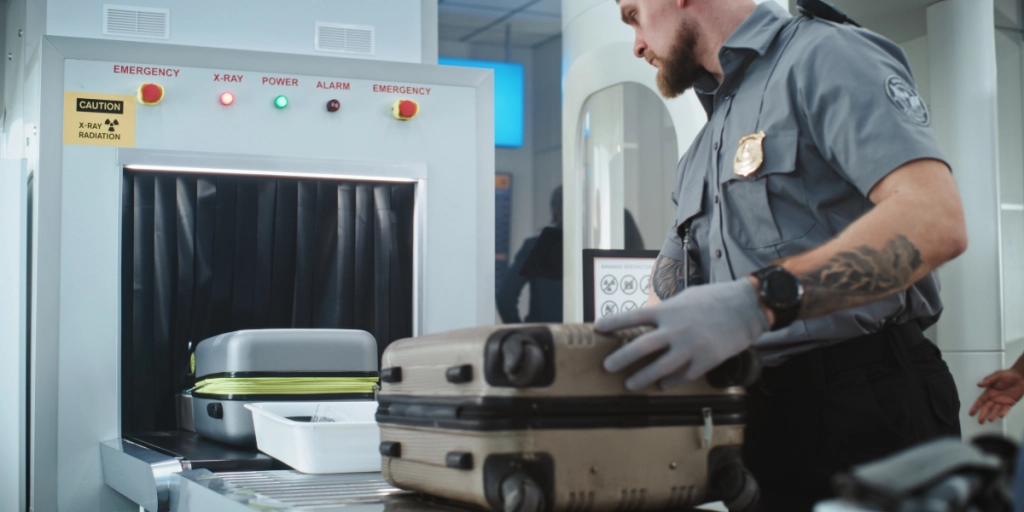
Federal agencies and U.S. airports are deploying off-site checkpoints and testing privatized screening programs to alleviate terminal congestion and modernize security operations.


According to The New York Times, federal agencies and air hubs across the United States are actively deploying new technologies and remote facilities to streamline security operations.
To fix structural delays, airports are moving security checkpoints far away from central buildings.
Passengers departing from Boston can now complete security protocols at an off-site hub in Framingham, situated nearly two dozen miles west of Logan Airport.
Once checked, passengers board a secure, dedicated shuttle that delivers them directly inside the terminal’s post-security departure zone.


This setup lets suburban commuters completely bypass the main terminal queue, drastically cutting foot traffic in overcrowded lobbies.
Overdue for innovation
Checkpoint operations have traditionally relied on rigid, labor-intensive screening processes that changed very little over several decades. Security operations have simply struggled to adapt to sudden surges in traveler volumes.
According to Laura Albert, an engineering professor at the University of Wisconsin-Madison, “We are overdue for some innovation and experimentation.”
Experts emphasize that risk-based technology and off-site processing offer essential relief for overwhelmed hubs.
Meanwhile, federal authorities are testing a public-private operational model called Gold+.
The program permits participating airports to replace Transportation Security Administration staff with approved private security screening contractors, according to The New York Times.
Debating privatized screening
Under Gold+, participating airports gain increased operational flexibility to deploy advanced biometric tools and adjust staffing levels on short notice.
Adoption remains low with just three airports participating, largely due to fierce opposition from labor unions who argue that outsourcing security compromises safety standards.
Despite union pushback, aviation officials plan to expand biometric testing and off-site facilities in coming months.
These trials will determine whether decentralized checkpoints become the standard blueprint for domestic air travel, The New York Times reports.



