
 Kenneth Glad
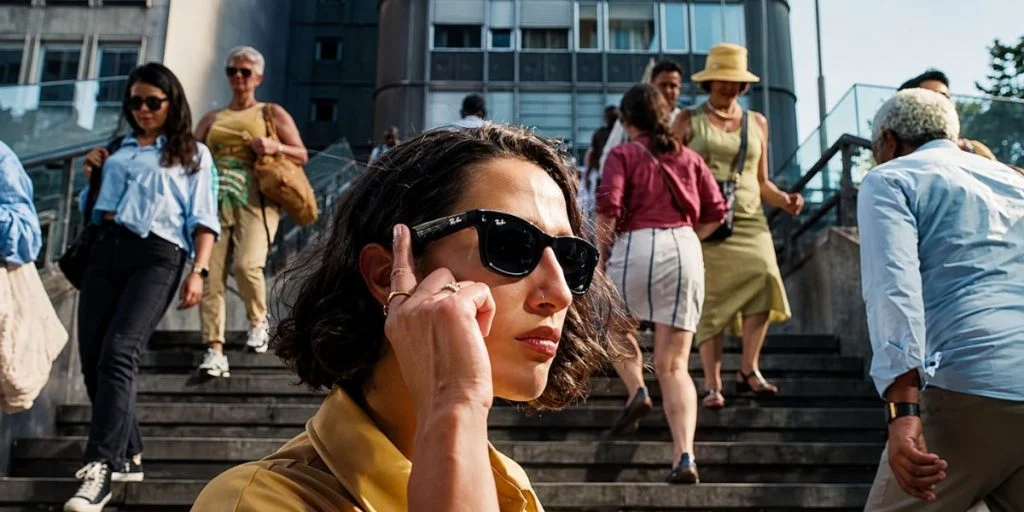
The same pair of glasses can identify what lies ahead and record the people standing nearby. That combination is changing how users and bystanders think about wearable cameras.


Meta’s Ray-Ban smartglasses can help a blind pedestrian understand their surroundings without reaching for a phone. Yet their camera sits inside familiar-looking frames, making it harder for people nearby to know when images may be captured.
More than 7 million pairs were reportedly sold in 2025, according to The Guardian. The glasses combine photography, audio tools and AI-powered assistance in a design intended to resemble conventional eyewear.
Accessibility changes daily routines
Nikki, a 59-year-old woman from Devon who has been blind since birth, received the glasses for Christmas in 2024. During one walk to her village shop, the device identified a van unloading scaffolding ahead of her.
She told The Guardian that the product had become “a real gamechanger.” She also questioned why smartglasses attract more criticism than dashcams, doorbell cameras or action cameras, arguing that restrictions could affect people who benefit from assistive features.


Live captions have proved less dependable for Karen Walter, 84, who has severe hearing loss. Although the system worked during a quiet shop demonstration, she said it struggled when several people spoke in a noisy group.
Bystanders question discreet cameras
Concern grows when the glasses are worn around people who have not agreed to be filmed. In a cafe, Kiki, from England’s West Midlands, moved away from someone wearing a pair because she could not tell whether the camera was active.
She told the paper that the technology could still help workers document harassment or threatening behaviour. Her concern was not that every wearer intended harm, but that safeguards often develop after devices have already entered daily life.
Security staff once stopped Servaas, a technology enthusiast from The Hague, at an event in a government building because they feared he might be recording. He uses the glasses mainly to film walks and cycling trips.
Questions about the recorded material matter more to Pete, 44, from Northampton. He accepts that the glasses may support disabled users, but remains uncertain about who can access captured information and what may happen to it later.
“I would like things like this to be of benefit to us,” he told The Guardian. “I just don’t trust it.”
The dispute is unlikely to be settled by proving that the glasses are useful. Their future may depend on whether people can recognise when recording occurs and trust how the resulting data is handled.
Sources: The Guardian



