
 Kenneth Glad
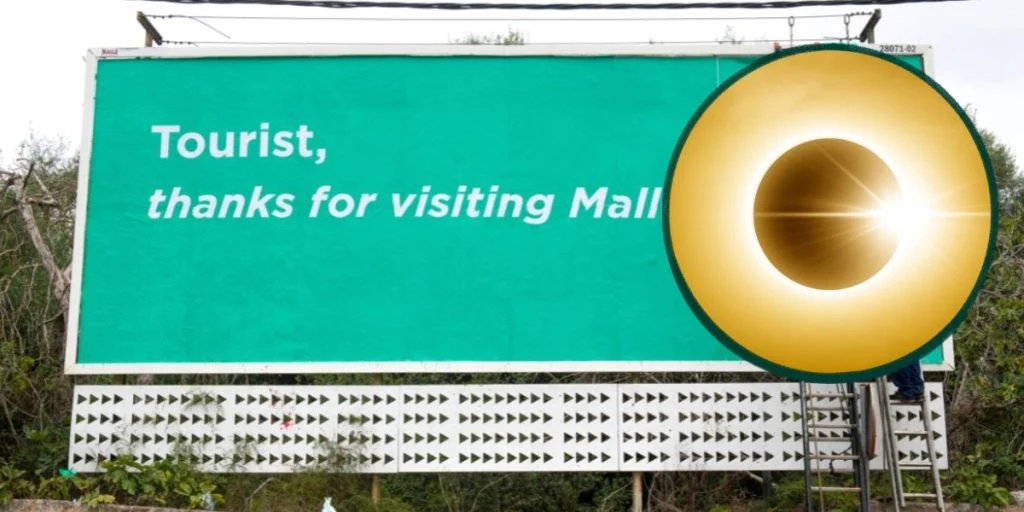
Officials are preparing for heavy visitor numbers and tighter controls across several popular viewing areas. Emergency access and traffic management are among the main concerns.


Mallorca is restricting access to roads and sensitive natural areas ahead of the total solar eclipse on August 12, as authorities prepare for large numbers of spectators.
Spain will have the largest area of totality in Europe, according to the European Space Agency. The eclipse path will cross Greenland, Iceland, Spain and a small part of northeastern Portugal, while much of Europe will see a partial eclipse.
Mallorca prepares traffic restrictions
Balearic authorities have announced a broader package of traffic and access measures around Mallorca, with particular attention on popular viewing points, mountain roads and environmentally sensitive areas.
The restrictions are designed to keep emergency routes clear, reduce congestion and prevent large concentrations of vehicles from overwhelming vulnerable locations during the eclipse.


Officials are also preparing for increased pressure around the Tramuntana mountains, where narrow roads and limited access could create difficulties if large numbers of spectators arrive at the same time.
Bild reports that Spanish military personnel will be deployed in several municipalities around the Tramuntana range between August 10 and 14. Their duties will include monitoring roads, protecting emergency access and helping reduce wildfire risks in wooded areas.
The outlet also says that around 24,000 Guardia Civil personnel are expected to take part in eclipse-related operations across Spain. Their reported role includes supporting traffic management and public safety at busy observation areas.
Totality comes near sunset
The eclipse will reach Spain late in the evening, when the sun is already sitting low on the western horizon. That timing will make the event visually distinctive, but it also means spectators will need a clear view toward the west.
ESA calculations indicate that totality will last no more than about one minute and 40 seconds anywhere in Spain.
Mallorca and parts of mainland Spain lie inside the path of totality, while other regions will experience only a partial eclipse. The exact appearance and duration will therefore vary depending on the observer’s location.
Observers should use certified eclipse glasses whenever any part of the Sun remains visible. ESA warns that ordinary sunglasses are not sufficient protection against harmful solar radiation.
Protective glasses should only be removed during the short period of totality, when the sun is completely covered, and must be put back on as soon as the bright solar surface begins to reappear.
Sources: Bild, European Space Agency, Balearic Islands government



