
 Nicolai Haugsted

Trump’s latest health move faces an inconvenient reality.

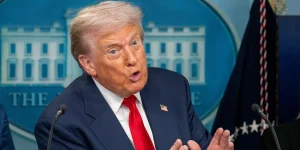
President Donald Trump’s new executive order calling for separate measles, mumps and rubella vaccines is already facing a significant practical challenge: the individual vaccines the administration wants simply are not available in the United States.
Medical experts and manufacturers say bringing those products to market would likely take years, even if companies decided to pursue them.
Trump’s order recommends replacing the combined measles, mumps and rubella (MMR) vaccine with three separate injections once individual products become available domestically.
At present, however, no such vaccines are licensed in the United States, according to Reuters.


Merck stopped producing standalone measles, mumps and rubella vaccines in 2008, leaving only combination MMR vaccines available. Merck and GSK currently manufacture the combined vaccine used across the country.
Both companies said there is no scientific evidence supporting the separation of the vaccines and pointed instead to decades of research backing the safety and effectiveness of the combined shot.
Merck also warned that creating standalone versions would be a lengthy process.
“Even under current expedited review pathways, it could take years – potentially as many as 10 – to meet the safety and efficacy requirements to obtain FDA approval and then begin manufacturing and commercialization.”
Experts see long timeline
Medical specialists say developing three separate vaccines would involve far more than changing existing production lines.
Each vaccine would require independent testing, regulatory approval and manufacturing capacity before becoming available.
American Academy of Pediatrics president Dr. Andrew Racine said the proposal is technically possible but far from immediate.
“They wouldn’t be able to do that probably for another 10 years, and there’s no indication that they have any interest in doing that.”
Former FDA Chief Scientist Jesse Goodman also noted that producing separate vaccines would require substantially greater manufacturing resources because companies would need to produce and package three different products instead of one combined vaccine.
White House officials said the administration intends to work with private manufacturers to make standalone vaccines available through market-based solutions.
One administration official argued that many parents are looking for additional choices.
“Right now we have a lot of Americans and a lot of American parents who want to see additional options.”
Some legal and public health experts, however, questioned whether manufacturers will invest in developing new vaccines that could take years to approve, particularly given the uncertainty surrounding future federal policy.
Current CDC recommendations continue to support the combined MMR vaccine, which leading medical organizations say reduces the number of injections children receive while ensuring protection against all three diseases at the recommended ages.



