
 Kenneth Glad
An intercepted shipment brought a Russian exile’s admitted FSB relationship under scrutiny while investigators traced an unusual route through Ukraine and Poland. The criminal case produced convictions, but the evidence described by The Guardian still leaves competing theories about who organised the explosives operation.

A Polish court convicted Russian opposition activist Igor Rogov of espionage as well as offences connected to an explosive parcel intercepted in July 2024. The package was addressed to Rogov in Sosnowiec, but courier workers discovered its contents before it reached him.
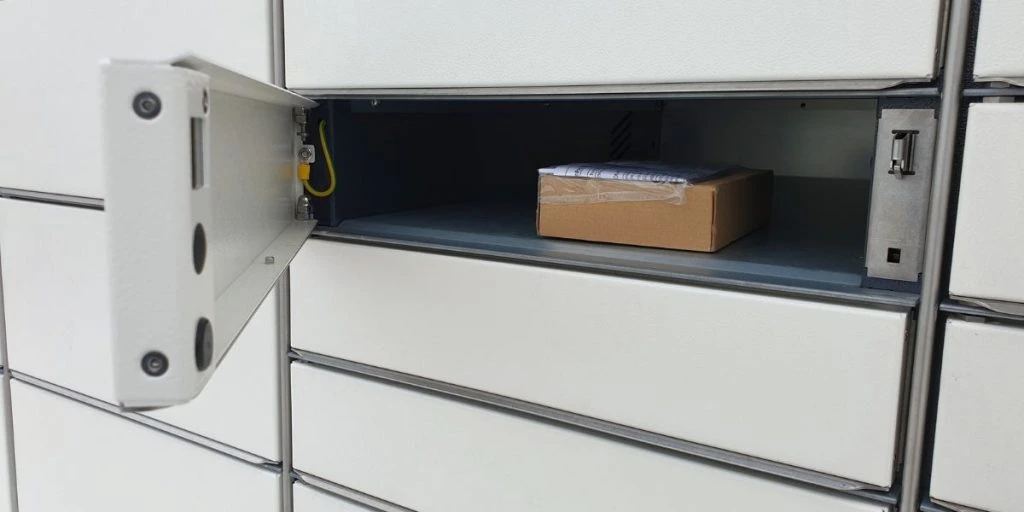
The Guardian reported that the woman mailing the parcel to Rogov tried to put it into a locker that was too small, damaging the wrapping. Staff subsequently examined the package and contacted the authorities.
Officials found detonators concealed in marker pens, metallic powder hidden inside a flask and a volatile nitroglycerine solution. Investigators believed the components could be combined into an explosive device.
The discovery came amid heightened concern in Poland about suspected Russian-backed sabotage in Europe. Fires and other incidents had already led authorities to examine whether Moscow was recruiting intermediaries to carry out attacks in countries supporting Ukraine.


Rogov denied knowing what had been sent to him. He told investigators that another Russian opposition activist had asked him to accept what he understood to be an ordinary delivery from Ukraine.
Several people handled the parcel
The items had already passed through other hands before entering Poland’s courier network. According to The Guardian, a Ukrainian woman transported them into Poland after an acquaintance known as Diesel asked her to carry them.
She later mailed the package after speaking with Rogov. Prosecutors ultimately accepted that she had not understood that the objects were dangerous.
Diesel was identified as Yuriy Kovalenko, a Ukrainian trader in secondhand cars. He denied working for Russian intelligence and also denied links to Ukrainian services.
Kovalenko told The Guardian that he later learned the shipment was intended to reach Kaliningrad, the Russian exclave bordering Poland. He did not explain exactly how it was supposed to get there or identify the person he said had originally supplied the items.
Several people involved in moving the parcel said they knew little about its purpose.
Polish security officials have maintained that Russia was behind the operation. Jacek Dobrzyński, a spokesman for the Polish minister coordinating the country’s security services, told The Guardian: “There is no doubt that this was a Russian plot orchestrated by the Russian secret services.”
Court material reviewed by the newspaper pointed to another possibility. One source in the investigation reportedly believed Kovalenko had connections to Ukrainian military intelligence. The British newspaper also reported that Ukrainian authorities had not arrested him after Poland informed Kyiv of his alleged role and requested his extradition.
Neither circumstance establishes Ukrainian responsibility. Together with Kovalenko’s claim about Kaliningrad, however, they raised the possibility that the explosives were being moved toward Russia as part of a Ukrainian-linked operation rather than an attack planned by Moscow.
The espionage case developed separately
Rogov’s dealings with Russia’s FSB, the country’s main domestic security and counterintelligence agency, emerged as a separate part of the investigation.
According to testimony and court records examined by The Guardian, Rogov said an FSB officer recruited him while he was a university student in Russia, before he became established in opposition politics.
He acknowledged providing information about people involved in anti-Kremlin groups. Rogov said his cooperation eventually became coercive and claimed he found it difficult to cut contact after leaving Russia for Poland in 2022.
The court records also described a USB drive containing information that Rogov gave to his wife, Irina Rogova, before she travelled to Russia. Rogov was sentenced to seven years for espionage, while Irina received three years for assisting him. Their lawyers said they planned to appeal.
Rogov was also found guilty on charges related to the explosive parcel. The limited information released about that part of the verdict did not explain his exact place in the wider delivery network or identify who directed it.
His FSB relationship and his criminal role in the parcel case are therefore established parts of the proceedings. What has not been publicly settled is whether the explosives were controlled by Russian intelligence, as Polish security officials say, or were instead being moved toward Russian territory through a Ukrainian-linked operation.
The available accounts leave that question open. Kovalenko remains central to the alternative theory, while Polish authorities continue to attribute the plot to Moscow.
Sources: The Guardian



