
 August M
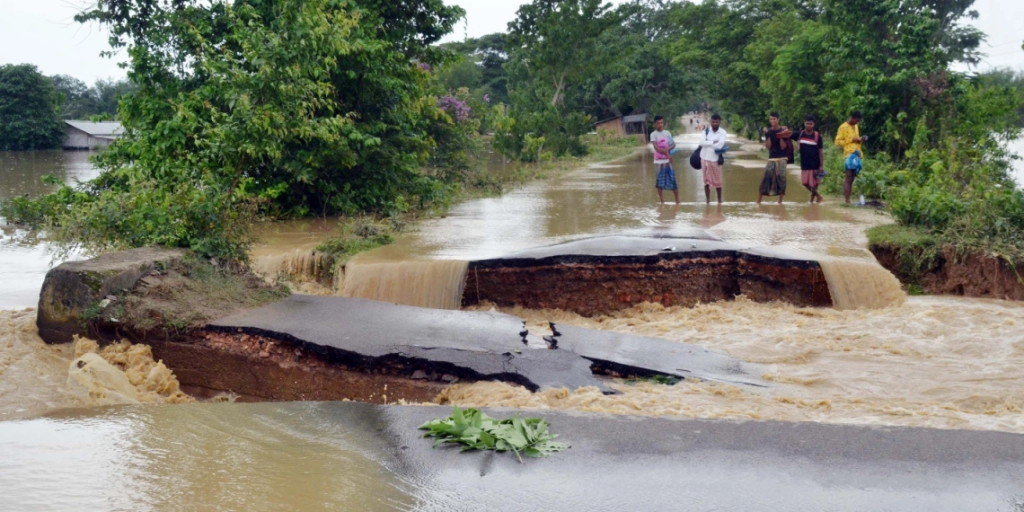
When torrential seasonal rains arrive, riverbank communities expect high water.


Yet when rising rivers combine with heavily damaged hillsides, normal monsoon weather can turn into a swift catastrophe. A devastating series of floods has left vast swathes of land ruined and thousands of families fighting to survive, reports The Guardian.
Raging rivers
In the Indian state of Assam, heavy rainfall recently pushed local rivers past their breaking points. Gitali Phukon was buying groceries in her town of Gaurisagar when the nearby Mitong River suddenly overflowed. Within minutes, waist-deep floodwater rushed through the streets, trapping families on their roofs overnight.
The surge contaminated local wells, leaving thousands without clean drinking water. “People were thirsty; they were crying for water,” Phukon told The Guardian. Families survived on biscuits and puffed rice for three days while waiting for the surge to recede.
Across the region, more than 2,600 villages are underwater. Official figures show at least 101 people have died as over one million residents face total devastation. In Nepalikhuti village, thick silt buries flattened homes, dead cattle, and drowned vehicles.


Environmental experts say human activity made the natural disaster far worse. Partha Jyoti Das, a specialist with Aaranyak, explained that heavy rains brought mud and debris from deforested hillsides. “It’s a much-abused landscape, turning into a burial ground,” Das said.
A land destroyed
The deluge destroyed nearly all agricultural land in Sivasagar district. Local worker Himadrijyoti Dutta noted that “the floods have ruined 95% of the farmland across Sivasagar.” He added that the destruction has left local farmers “poorer and desperate.”
Experts warn the loss of farmland will force thousands of residents to leave the region. Geography professor Kalyan Das stated that floods and soil erosion remain primary drivers of out-migration. “The latest floods have destroyed homes and agricultural fields,” Das explained. “The villagers will be forced to migrate in search of livelihood opportunities.”
Government officials insist they are providing food, medical aid, and temporary shelter camps. However, local critics say the official response came far too late. Singer Nilotpal Bora argued on video that local charities saved thousands of lives before government aid arrived.
Meanwhile, volunteer groups like the One Northeast Motorcycle Club are delivering supplies to families living in plastic tents. For many survivors, rebuilding destroyed homes will take months of hard work.
Sources: The Guardian, Aaranyak, Migration Story



