
 Kenneth Glad
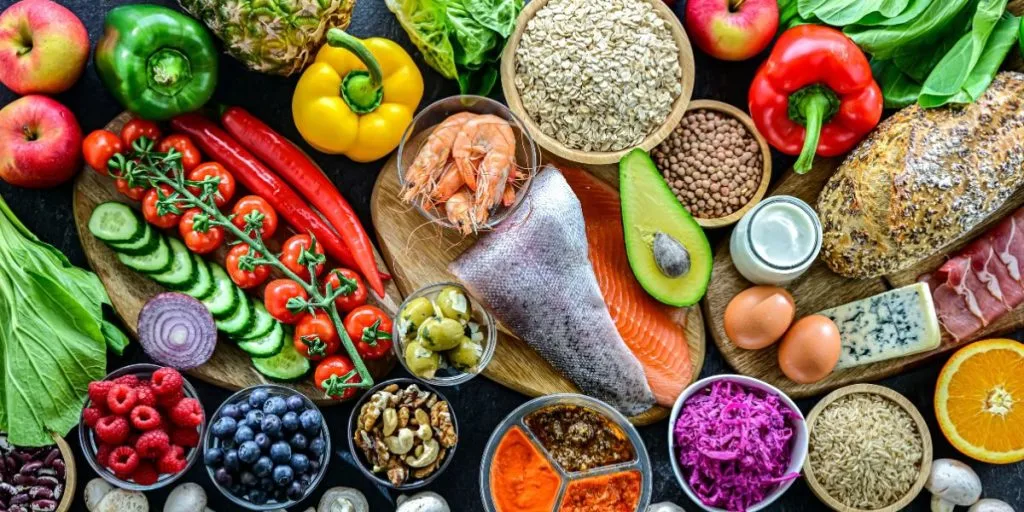
Fresh produce takes centre stage in two dishes designed around simple preparation and contrasting cooking methods. One uses slow, gentle heat, while the other relies on the smoky character of the grill.

Two contrasting cooking methods give the dishes their individual character. The trout is gently cooked in warm oil, while the courgette is treated to the fierce heat of a griddle.
The approach reflects a wider range of influences behind the cooking at east London’s Café Cecilia. Chef-owner Max Rocha has drawn on experience at The River Cafe, St John Bread & Wine and Spring, alongside memories of the food made by his mother, Odette, during his childhood in Ireland. Those experiences can be seen in the way the restaurant puts its ingredients first.
According to The Guardian, the trout salad has returned to Café Cecilia’s menu several times during the five years since the restaurant opened. The fish is served with watercress, cucumber and breakfast radishes, bringing together soft, fresh and crisp elements in the same dish.
Gentle heat shapes the trout
The trout cooks slowly in oil kept at about 50–55C, with garlic and thyme adding aroma as the fish gently comes up to temperature. Once cooked, it is left to cool before being flaked into large pieces, helping the fillets retain their soft texture.


Cucumber and radishes are pickled separately with white-wine vinegar, sugar and salt. The vegetables are then mixed with watercress and a Dijon mustard dressing, before lemon, dill and chervil are added for a fresher finish.
The second dish moves in a very different direction and needs much less time over the heat. Thin ribbons of courgette are placed on a hot griddle until charred, then coated with balsamic vinegar, lemon zest, basil, garlic and olive oil while still warm.
Ripe apricot is served alongside the courgette over stracciatella, a mixture of shredded mozzarella and cream also used inside burrata. The fruit adds a fresh, lightly sweet contrast to the creamy cheese and grilled vegetable.
Roasted almonds provide the final element. They are crushed and mixed with olive oil, red-wine vinegar and rosemary before being spooned over the plate, adding both texture and a more pronounced savoury note.
The two recipes share seasonal produce but treat it in different ways. Slow cooking is central to the trout dish, while the courgette plate depends on grilling, marinating and straightforward assembly.
Sources: The Guardian, Café Cecilia



