Asger Risom

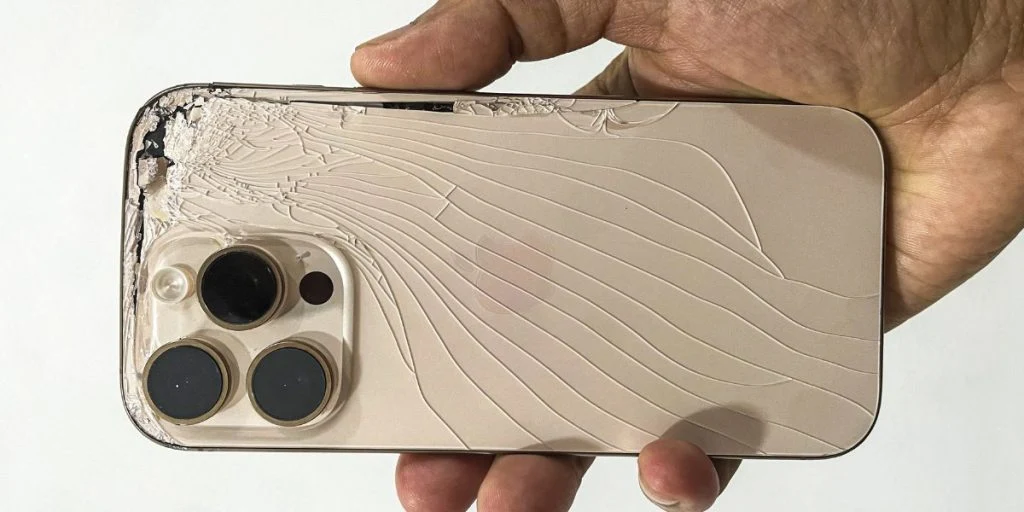
The EU’s new Right to Repair directive forces tech manufacturers to provide parts and diagnostic tools for ten years. Thanks to global supply chains, this European law will kill the disposable electronics model worldwide, making your next device cheaper and easier to fix.


We have all been there before. A dying battery or a cracked screen turns a premium piece of pocket glass into a useless paperweight. The manufacturer usually suggests it would be cheaper to simply buy a brand-new model.
Out of desperation, you take it down the street to an unauthorized repair shop to save a few hundred bucks. You hand over your phone hoping the technician can bypass the proprietary glue and locked components. Half the time, the repair leaves you with glitchy hardware and warning messages popping up on your screen.
For a decade, consumer tech companies have tightly controlled how their hardware gets fixed. They built a massive business model fueled by these forced upgrades and locked ecosystems. Now, a massive regulatory shift is about to alter how the entire world designs electronics.
The ten-year lifespan
As of October, the European Union’s sweeping Right to Repair directive is officially active. This is not some voluntary corporate eco-pledge made for good public relations. It is a strict legal mandate aimed directly at the heart of hardware manufacturing.


The rules force manufacturers of common consumer goods to offer comprehensive repair services. According to a regulatory breakdown by Projet Celsius, companies must make spare parts available for up to ten years after launch. This applies to everything from daily smartphones to standard household appliances.
Crucially, this new legislation directly targets the traditional repair monopoly. Tech giants are legally required to provide independent shops with the exact same diagnostic tools and manuals they use. Everyday consumers also gain the right to buy those same replacement parts directly.
The USB-C effect
You might wonder why a European consumer protection law matters to someone buying a phone in Chicago. It all comes down to the brutal, unyielding math of global supply chains. Designing two fundamentally different versions of a flagship device is a financial nightmare for any company.
A manufacturer will not build a glued-shut phone for America and a modular one for Europe. We saw this exact dynamic play out recently when the EU effectively outlawed the Lightning cable. That single regulatory move forced Apple to adopt USB-C globally across its entire product line.
When a market of 450 million people demands a hardware change, the rest of the world inherits the benefits. Supply chains prefer uniformity over regional customization to keep manufacturing costs down. What happens in Brussels dictates the baseline specs in factories across Shenzhen and California.
The end of disposable electronics
The immediate result is that the next device you buy will look distinctly different on the inside. Batteries will require standard screws instead of industrial adhesives to stay in place. Screens will be designed to pop off without requiring a localized heat gun.
Software locks that reject third-party replacement parts will become a relic of the past. Independent technicians will no longer have to hack their way into a standard screen swap. You will actually own the hardware you pay for, right down to the internal motherboard.
The tech industry fought this reality for years through heavy lobbying and closed ecosystems. Those barriers have finally crumbled under the weight of international law. The days of treating complex electronics as disposable two-year rentals are officially over.