
 Asger Risom

Ukraine’s low-cost, Starlink-equipped drones have crippled Russian supply lines in Crimea, and Kyiv is now aiming to expand satellite-guided strikes into Russian border regions to destroy missile sites and supply hubs.

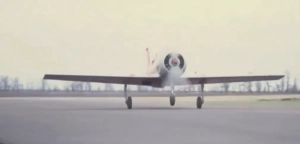
In modern conflict, off-the-shelf commercial technology often reshapes the battlefield faster than traditional military hardware. Over the past few months, Ukrainian defense forces have quietly revolutionized long-range precision warfare by mounting satellite internet terminals directly onto lightweight, fixed-wing drones. Controlled in real-time via satellite networks, these affordable aerial platforms have transformed occupied Crimea and southern Ukraine into a logistical nightmare for invading forces.
Known colloquially as “Starlink planes,” these uncrewed aerial vehicles have allowed Ukrainian operators to conduct precision strikes up to 300 kilometers behind enemy lines. By severing supply corridors, destroying fuel convoys, and dismantling command posts across occupied territories, the strategy has effectively crippled Russia’s ability to sustain major offensive operations in the south.
Now, military strategists and defense analysts argue that to protect Ukrainian cities and fundamentally alter the war’s momentum, this high-tech tactical lockdown must be expanded. According to a UNITED24 Media report, Kyiv is advocating to extend satellite coverage into Russian border regions, allowing these long-range drones to strike military staging grounds, air bases, and missile sites before they can launch attacks against civilian centers.
How low-cost satellite tech turned Crimea into a supply bottleneck
The foundation of Ukraine’s “logistics lockdown” operation, launched in late May 2026, relies on a surprisingly cost-effective innovation. Traditional long-range guided missiles cost millions of dollars per unit and remain in limited supply. In contrast, fixed-wing drones retrofitted with Starlink terminals cost a fraction of that amount while offering continuous, high-bandwidth communication and pinpoint steering even in environments where traditional radio signals are jammed.


This real-time satellite connection allows operators to navigate low-flying drones around enemy air defense batteries and track moving targets with extreme precision. When deployed across Crimean transit routes and key highway corridors, the drones turned primary supply lines into what Russian military bloggers openly described as “roads of death,” littered with burned-out fuel tankers and destroyed armored vehicles.
By systematically targeting the flow of fuel, ammunition, and fresh troops into Crimea, Ukrainian forces transformed a major Russian staging ground into an operational liability. Without reliable electricity or fuel supplies, front-line Russian units soon found it impossible to safely assemble reserves or maintain the logistics chain required for heavy mechanized pushes.
The domino effect on front-line operations
The physical destruction of supply convoys quickly triggered a cascading failure across Russian front-line positions. Heavy artillery units, starved of steady shell deliveries, were forced to fall back further from the front line, significantly reducing their ability to support infantry assaults. At the same time, precision strikes on forward command centers eliminated senior officers, fracturing military coordination across entire sectors.
The psychological and human toll on Russian logistics has proven equally damaging. Moscow’s primary bottleneck is no longer just a shortage of trucks or equipment, but an acute shortage of drivers willing to operate military transport vehicles along targeted supply corridors. With transport vehicles frequently ambushed from above, delivering basic rations, fuel, and ammunition to forward positions has become extraordinarily hazardous.
As a direct result of these logistical bottlenecks, the nature of infantry attacks has visibly shifted. Rather than executing coordinated, armored mechanized pushes backed by heavy artillery cover, commanders have resorted to smaller, fragmented infantry assaults. With fewer resources reaching the front, casualty rates among troops have surged even as the operational impact of their offensives continues to decline.
Pushing the defensive buffer deep into Russian border zones
To build upon the success of the Crimean campaign, Ukrainian defense planners are calling to scale the technology into Russian border regions like Bryansk, Kursk, and Belgorod. Expanding satellite operational boundaries would enable long-range drones to strike critical military targets deep inside Russian territory, dismantling the staging grounds used to launch daily missile and drone attacks against Ukrainian cities.
Primary targets inside Russia include launch sites for Iranian-designed Shahed suicide drones, air bases hosting tactical bombers, and specialized communication towers that support drone control networks. Additionally, satellite-guided drones could target S-400 anti-aircraft systems, which forces have repeatedly repurposed to fire heavy missiles at urban centers like Kyiv from inside Russian borders.
By taking out these high-value targets at their origin, Ukraine seeks to shift the paradigm of the war from reactive defense to proactive deterrence. Turning border regions into a buffer zone neutralizes rear-area sanctuaries, forcing the Kremlin to divert massive resources to defend its own logistics rather than launching new offensives against Ukrainian communities.



