
 Nicolai Haugsted
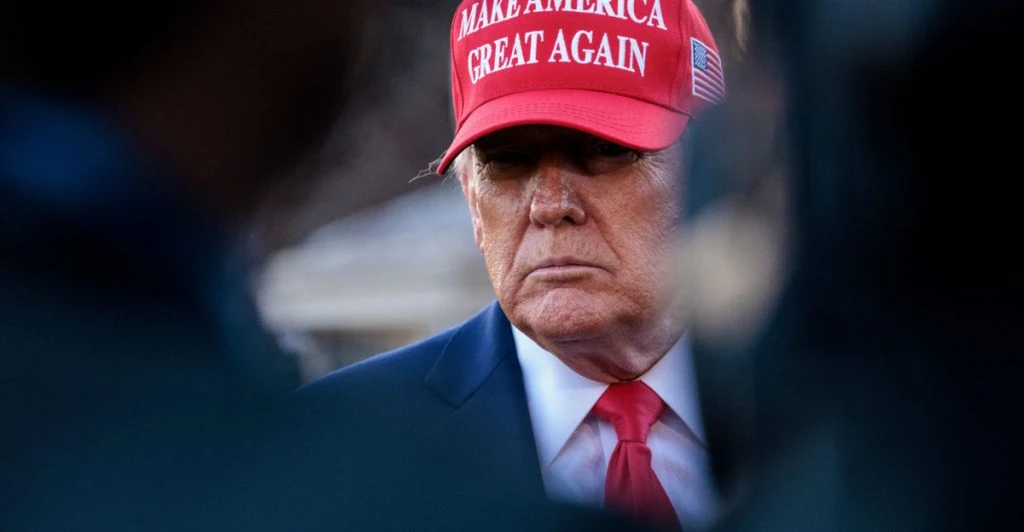
How security protocols changed forever after the Donald Trump breach.


Operational strategies within the United States Secret Service have undergone a sweeping overhaul in the wake of assassination attempts against Donald Trump.
Confronted with glaring vulnerabilities exposed during critical security lapses, the agency has according to Inews abandoned longstanding protective traditions in favor of aggressive, highly visible defensive postures designed to neutralize threats before they materialize.
Heightened security measures have redefined daily operations for protective details guarding high-profile political figures across the country.
Advanced technological barriers and bulletproof enclosures
Protective details surrounding major political leaders now rely heavily on specialized physical armor during outdoor public appearances. Transparent bulletproof glass enclosures now routinely surround podiums at outdoor rallies, providing a physical barrier against long-range ballistic threats that previously exploited open sightlines.


Unmanned aerial surveillance has also become a standard operational requirement. Drones equipped with high-resolution thermal imaging regularly sweep surrounding rooftops, treelines, and elevated structures well in advance of public arrivals to eliminate blind spots that previously challenged ground personnel.
Expanded manpower and tactical counter-measures
Personnel allocations for protective details have increased significantly, ending an era of leaner security footprints during campaign stops. Local law enforcement integration has been restructured, enforcing stricter chain-of-command protocols and mandatory joint training exercises to prevent communication breakdowns between federal agents and local police units.
Counter-sniper teams and heavily armed tactical units maintain a continuous, highly visible presence at every public event, shifting the agency’s traditional posture from discreet cover to active deterrence.
Cultural evolution within executive security
Security analysts note that the operational changes reflect a fundamental culture shift within the agency. Rather than relying primarily on covert intelligence and reactive measures, executive protection now prioritizes total site containment and absolute physical control over surrounding environments to ensure public safety.



