
 Asger Risom
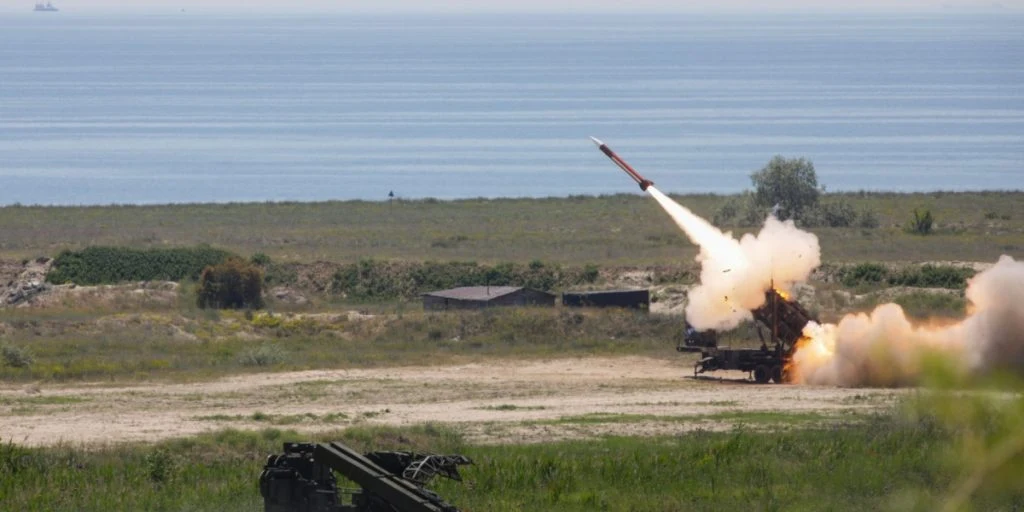
Ukraine is facing a catastrophic shortage of Patriot interceptor missiles, leaving its cities defenseless against Russian ballistic strikes as global supply chains buckle under immense pressure.


A critical shortage of Patriot interceptor missiles in Ukraine has left the country highly vulnerable to Russian ballistic attacks. The problem became glaringly obvious in early August 2026 when Ukrainian Patriot crews recorded zero successful intercepts during two massive Russian bombardments. As winter approaches, the rapidly depleting magazine depth has become a dire strategic weakness for the embattled nation.
According to a report by the Financial Times, the physical launchers remain operational, but they are increasingly sitting empty without the necessary ammunition. President Volodymyr Zelenskyy recently disclosed that the delivery of these crucial American interceptors has essentially halved since 2023. This severe deficit has allowed Russian forces to strike critical civilian infrastructure, including massive food distribution warehouses and energy grids.
The shortage is not limited to the advanced Patriot systems, as the Ukrainian Air Force reports critically low ammunition across its entire ground-based air defense network.
To compensate for the empty magazines, Ukraine has been forced to increasingly rely on its fighter aircraft, including F-16s and French Mirage jets, to hunt down incoming cruise missiles. However, these airborne platforms are entirely incapable of stopping the hypersonic ballistic weapons that currently devastate Ukrainian cities.


Global supply chains and the US-Iran factor
The root cause of this dangerous interceptor deficit extends far beyond Ukraine’s borders and reflects a broader global crisis in defense manufacturing. The United States has heavily exhausted its own supply of heavy air defense interceptors during its ongoing conflict with Iran. Because America historically supplied the vast majority of the West’s heavy interceptors, the Pentagon is now fiercely guarding its remaining stockpiles.
Defense experts at Chatham House warn that recent international pledges to bolster Ukraine’s air defense will not yield actual missiles for years.
While the Pentagon is pouring tens of billions of dollars into ramping up production, manufacturing a single Patriot missile currently takes well over three years. Consequently, European allies and American officials are largely unwilling to release their limited reserves to Kyiv while facing their own security uncertainties.
Desperate for immediate relief, President Zelenskyy has urgently appealed to Western allies for a minimum of 300 interceptor missiles to survive the upcoming winter. While Ukraine recently secured an agreement with Germany for 600 PAC-2 interceptors, these life-saving munitions will not be delivered until 2027 and 2028. Until then, Ukrainian commanders are forced to make agonizing decisions about which cities and power plants to protect with their rapidly dwindling ammunition.
Forging a domestic shield
Recognizing that the American missile shield is fracturing, Ukraine has launched an incredibly ambitious effort to build its own domestic ballistic interceptors. Through a joint initiative dubbed “Freya,” Ukrainian engineers are working with German defense company Diehl to transform surface-to-surface rockets into air defense weapons. The ultimate goal is to mass-produce these homegrown interceptors at a fraction of the cost of a multi-million-dollar American Patriot missile.
However, compressing a weapons development program that typically takes decades into a few short years carries immense technological risks and logistical hurdles. According to analysis from The Strategist, the most optimistic projection places the first prototype testing of the Freya interceptor in the summer of 2027. This timeline leaves a terrifying gap where Ukraine remains largely defenseless against Russia’s surging production of Iskander ballistic missiles.
In the immediate term, European nations are debating highly controversial stopgap measures, such as deploying NATO aircraft from neighboring countries to patrol Ukraine’s western borders. Alternatively, military strategists suggest that the most effective defense might be a fierce offensive campaign targeting the actual Russian factories producing these deadly munitions. Regardless of the chosen strategy, the complete exhaustion of Ukraine’s Patriot missiles highlights a glaring vulnerability in the West’s collective defense architecture.



