
 Kenneth Glad
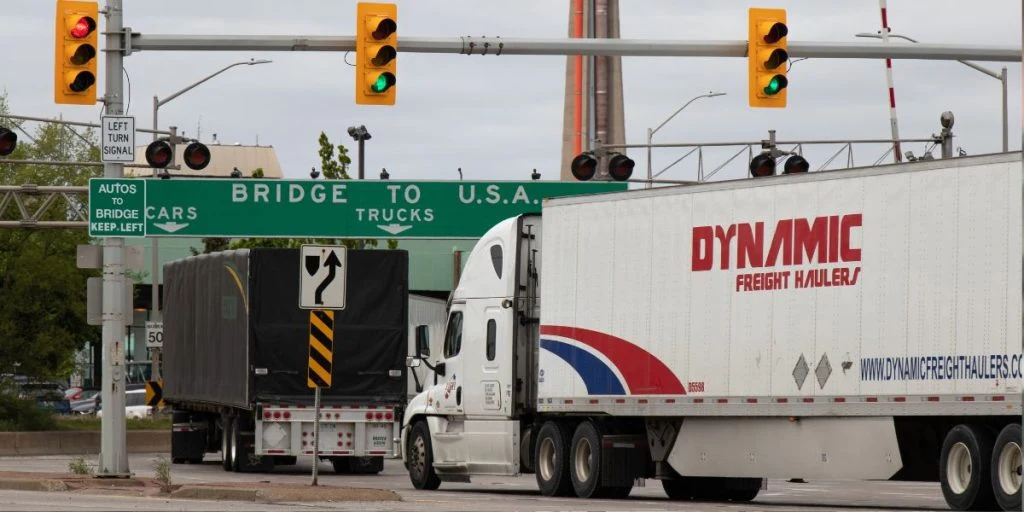
An intensifying commercial confrontation is bringing new costs and government intervention. Businesses and workers are being offered financial protection as officials prepare for a prolonged dispute.


Canada will impose duties of 15, 25 and 50 percent on American imports from September 8, covering goods worth C$27.6 billion, the Government of Canada said. TV 2 reports that roughly 700 products are affected.
The measures span several parts of the economy. Industrial products such as steel and aluminium are included alongside furniture and clothing, while other rates apply to appliances, dairy goods, seafood and selected machinery. Existing Canadian counter-tariffs on American vehicles will remain in force.
The new duties will apply only to goods originating in the United States. Products already in transit to Canada when the measures take effect will be excluded, while the government’s tariff-remission system will remain available for companies seeking exceptional relief.
Finance Minister François-Philippe Champagne said, according to TV 2, that Ottawa would respond “dollar for dollar” after Washington imposed 50 percent duties on C$27.6 billion of Canadian goods on August 22. The Canadian government said negotiations were suspended after it concluded that the latest American terms were unacceptable.


Ottawa is also committing C$7.5 billion in new and expanded assistance. That includes C$1.5 billion for regional support to smaller companies, C$500 million in additional business liquidity and C$2 billion for projects intended to help tariff-affected firms diversify.
The package comes on top of nearly C$25 billion in support that Ottawa says it has introduced since the United States began imposing the tariffs.
Key industries remain exposed
Another C$3.5 billion will fund rapid-response programs for workers and employers, including income assistance, workplace training and measures designed to help companies retain staff.
Mads Dalgaard Madsen, a US analyst and senior adviser at Danish aerospace and defence company Terma, told TV 2 that energy and automotive manufacturing are particularly important because American producers depend on Canadian components and materials, while Canada supplies substantial energy to its southern neighbour.
Trump has separately threatened 50 percent tariffs on Canadian passenger vehicles, trucks, automotive parts and steel from January 1, 2027, raising the stakes for two of the most closely integrated sectors.
The dispute is unfolding after the first formal USMCA joint review on July 1. The agreement remains in force until 2036, while Canada, Mexico and the United States continue discussions after Washington declined to extend its term during the review.
The Confederation of Danish Industry welcomed Canada’s decision not to target oil exports, telling TV 2 that avoiding that step could limit the risk of a broader trade confrontation.
Sources: TV 2, Government of Canada



