
 Asger Risom
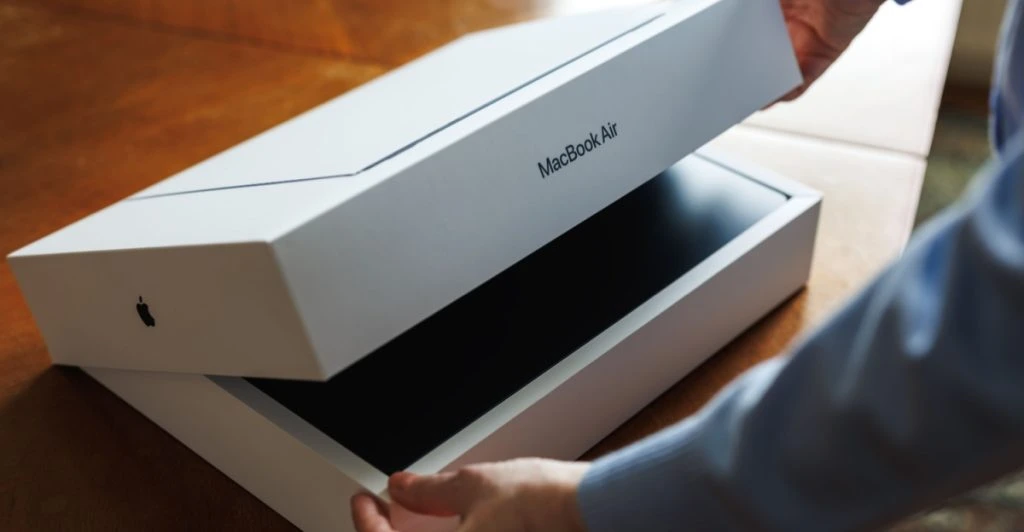
The global right-to-repair movement is successfully forcing massive tech and auto manufacturers to abandon closed ecosystems and allow affordable, independent hardware fixes.


Consumers are winning a massive global battle against tech manufacturers over who actually owns a device once it is purchased. For years, tech giants intentionally designed laptops, smartphones, and even tractors with proprietary screws and software locks to prevent independent repairs. Now, relentless pressure from the European Right to Repair campaign and global lawmakers is forcing these companies to completely overhaul their restrictive hardware ecosystems.
The financial impact on everyday consumers has been staggering, with forced official repairs often costing nearly as much as a brand new device. When an independent mechanic cannot access official diagnostic software or spare parts, the manufacturer effectively holds a lucrative monopoly over the entire lifespan of the product.
By breaking this monopoly, right-to-repair legislation is actively injecting much-needed competition into a heavily consolidated aftermarket repair industry.
Environmentalists champion this shift as a critical weapon against the mounting crisis of global electronic waste. When fixing a cracked screen or a dying battery becomes affordable and accessible, consumers stop throwing perfectly salvageable electronics into landfills. Extending the lifespan of existing hardware drastically reduces the massive carbon footprint associated with mining rare earth metals for new devices.


The regulatory hammer falls
Governments on both sides of the Atlantic are finally stepping in with sweeping mandates to protect consumer repair rights. Regulators are actively penalizing companies that void warranties simply because a user opened their own device or visited a third-party repair shop. As outlined by the US Federal Trade Commission, strictly limiting independent repair options directly harms consumers and stifles small business growth.
Manufacturers are being legally compelled to make official spare parts, repair manuals, and diagnostic tools available to the general public at fair prices. This regulatory shift means that local repair shops can finally operate on a level playing field without relying on gray-market components. Furthermore, new mandates increasingly require companies to design their future products with modularity in mind, making batteries and screens much easier to swap.
The automotive industry is also facing intense scrutiny as modern cars increasingly resemble locked computers on wheels.
Farmers famously ignited this debate by hacking their own tractors because the manufacturer refused to let them fix basic software error codes in the field. Lawmakers are now ensuring that diagnostic telemetry data is accessible to independent mechanics, preventing legacy automakers from monopolizing the lucrative car repair market.
Tech giants reluctantly pivot
Facing an avalanche of global legislation, some of the world’s most notoriously closed tech companies are preemptively changing their policies. Major smartphone manufacturers have launched self-service repair programs, shipping official parts and specialized tools directly to consumers’ front doors. While critics argue these programs are often overly complex and expensive, they represent a massive ideological surrender from Silicon Valley.
The corporate pivot is not entirely altruistic; companies are realizing that repairability can actually become a profitable selling point for sustainability-minded consumers. Brands that offer robust, long-lasting, and easily fixable devices are actively stealing market share from competitors who rely on planned obsolescence. The tech industry is slowly accepting that the era of treating expensive consumer electronics as disposable commodities is coming to a close.
Ultimately, this movement represents a fundamental shift in the relationship between global manufacturers and everyday consumers. By legally securing the right to repair, buyers are reclaiming true ownership over the hardware they purchase. As these sweeping laws take effect, the simple act of fixing a broken screen is transitioning from a corporate battleground back into a normal, everyday reality.



