
 Christine Drews Sieger
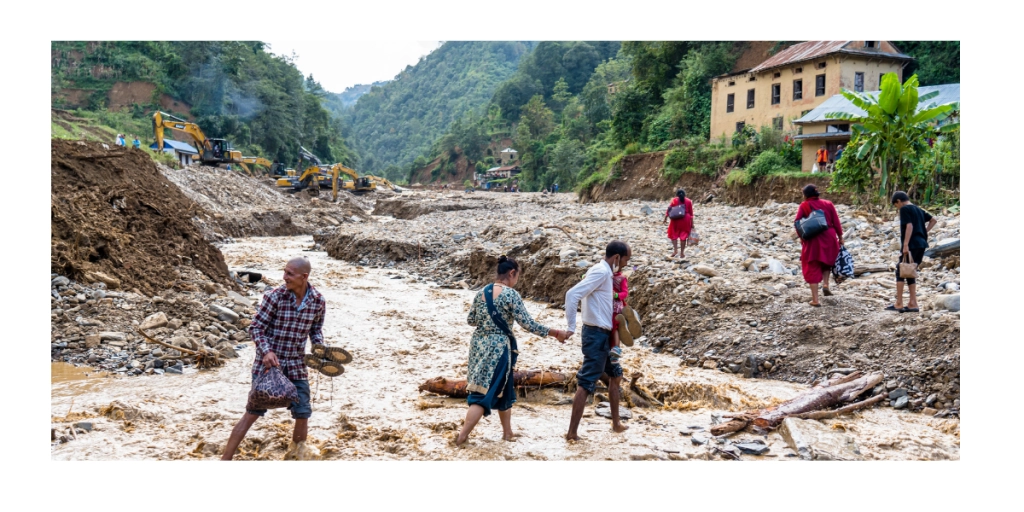
Censors in China quickly removed user videos of the deadly Tibet flash floods from domestic platforms.

Surveillance footage at Gyirong Port recently captured a massive torrent tearing through the mountain pass linking Nepal and Tibet.
Hundreds of people fled for their lives as the floodwaters destroyed critical infrastructure along the border crossing.
Global news networks quickly picked up the dramatic video of the disaster.
Inside mainland China, state media showed only a single still photo while censors moved rapidly to scrub user video from domestic platforms.


Grieving families outside the region are struggling to find any information about missing relatives, according to the BBC.
Direct survivor accounts remain almost impossible to locate as online clips vanish.
Tight state control
Reporting on the ground is nearly impossible because foreign journalists face severe travel restrictions in Tibet.
Local residents also run immense risks, as sharing unapproved videos or speaking to international reporters can lead to quick arrest by security forces.
According to the BBC, establishing direct contact with sources inside Lhasa presents a communication challenge even more severe than operating in tightly controlled regimes like North Korea.
The International Campaign for Tibet called on Chinese authorities to “disclose complete and verifiable information about the damage and casualties” rather than deleting online posts.
State media chose instead to highlight official emergency efforts.
Instead of addressing the human toll, official broadcasts showcased rescue personnel navigating treacherous rivers and mountainous terrain to reach isolation zones.
Protecting social order
Top political leaders acted quickly following the disaster. Premier Li Qiang traveled directly to the border region to oversee debris removal, marking a rare early visit by a senior official after a tragedy.
Beijing ordered local party members to step up relief efforts while actively shaping public sentiment.
Official notices instructed workers to “make every effort to maintain social order and ensure stability and public confidence in the disaster areas.”
Beijing’s heavy-handed information control stems from anxiety that public grief could transform into political backlash over inadequate infrastructure and delayed rescue efforts.
As a result, millions of Chinese citizens will likely never know the full extent of the tragedy. the BBC reports.
When Censorship Could Cost Lives
China’s tight control over information may also have consequences beyond the country’s public image.
According to ABC News, activists warn that scrubbing eyewitness accounts obscures critical details about trapped survivors.
With residents too fearful to report local destruction, this information blackout directly hampers relief efforts.
As the search for survivors continues, the disappearance of firsthand accounts has raised questions about whether censorship itself could become another obstacle to the relief effort.



