
 Jens Asbjørn Bøgen
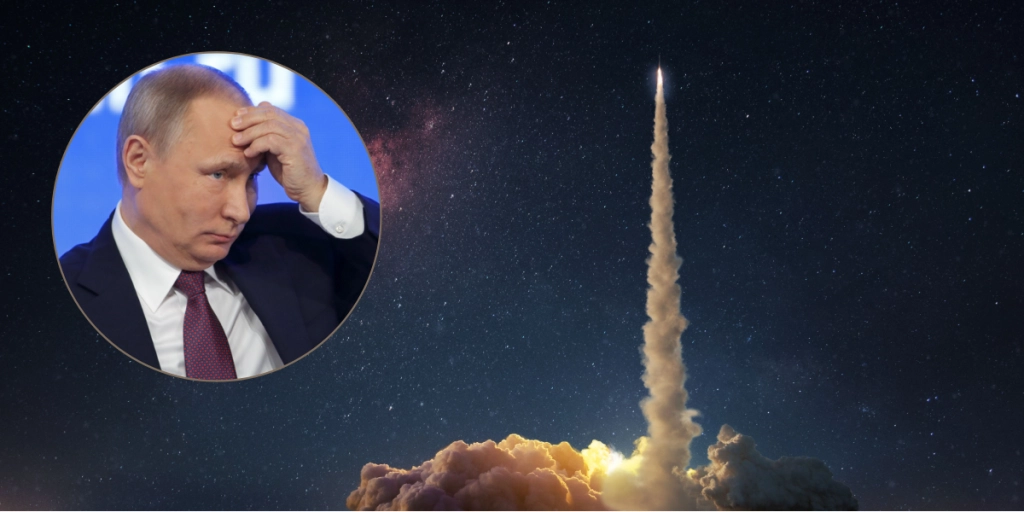
Some of the satellites are already descending back toward Earth.


Modern warfare depends on staying connected. Without reliable digital links to the front line, an army’s command structure can crumble within hours.
But rushing complex replacement technology into space often creates far more problems than it solves.
Russia is learning that lesson the hard way.
Falling from orbit
Moscow spent $1.3 billion on a satellite network called Rassvet to replace Elon Musk’s Starlink system on the battlefield. It failed quickly.


French technology outlet Numerama reported that the ambitious project is already suffering severe orbital setbacks.
The core issues flared up following a major launch in July. Moscow sent a batch of 16 spacecraft into space, intending to position them at operational altitudes near 800 kilometers.
Instead, orbital data from live tracker N2YO reveals that none of those satellites reached their target height. Most remained stuck between 300 and 400 kilometers above Earth.
At least two spacecraft are now dropping fast toward Earth. Tracking portal Russian Space Web noted that operating at lower altitudes subjects satellites to intense atmospheric drag. That friction forces the craft to burn fuel at a rapid rate, cutting short their lifespan.
Even the few units that managed to ascend are climbing much slower than expected. Without enough fuel to maintain altitude, spacecraft hovering near 500 kilometers risk degrading far faster than engineers originally planned.
Running out of time
This orbital failure compounds a major setback on the ground. At least 18 separate launches using heavy Soyuz rockets is required to fully deploy the network, and Russia currently only launches six to eight rockets per year.
To make matters worse, Ukrainian forces struck the Samara manufacturing plant in August, damaging the only facility that builds those specialized rockets.
Russian leadership originally aimed to place 250 satellites in orbit by 2027, with a final goal of 900 by 2035. Today, only 32 satellites sit in space. Of those, just 12 operate at expected heights, granting Russian units tiny windows of connectivity lasting barely 90 minutes a day over Ukraine.
According to The Institute for the Study of War (ISW), Moscow rushed the constellation into service after SpaceX disabled unauthorized Starlink terminals used by Russian troops in February. That blackout crippled Russian military command across several front lines.
Trying to speed up space launches has clearly backfired, leaving Moscow with a broken system that cannot deliver.



