
 Christine Drews Sieger
Ukrainian drone strikes on Russian refineries are forcing Moscow to import fuel and adapt to severe energy shortages.

Drivers across Russia now wait in sprawling lines at local fuel pumps after waves of drone strikes hit critical oil refineries.
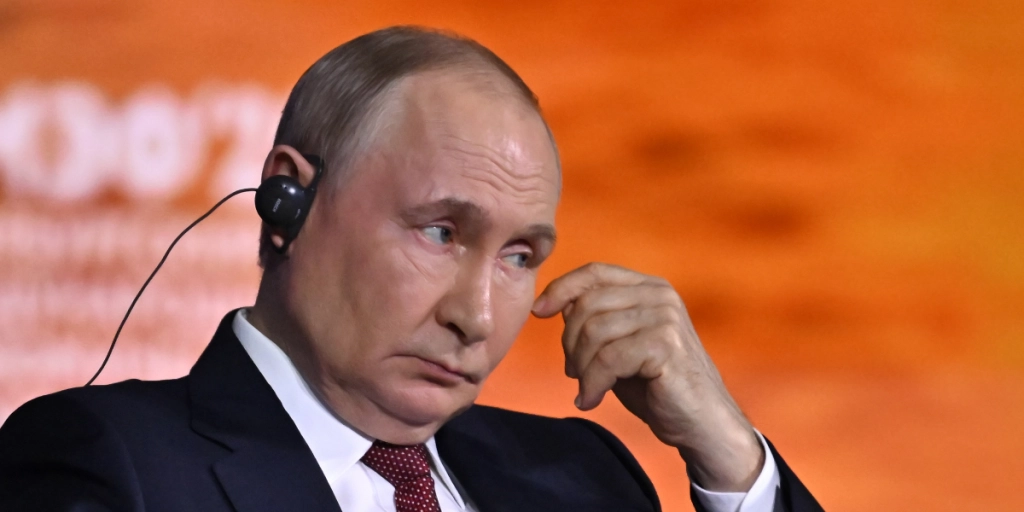
Addressing these growing energy shortages, President Vladimir Putin offered zero guarantees that fuel supplies would normalize anytime soon.
“We must be prepared for anything,” Putin warned citizens during his address at the Eastern Economic Forum in Vladivostok.
The Russian leader emphasized that maintaining a high state of military readiness serves as a primary defense.


“Only our readiness for anything will give everyone who wants to harm us an understanding that it is better not to do so,” he added.
According to the Daily Mail, he vowed to launch retaliatory strikes against Ukrainian positions to stop further damage to domestic fuel distribution.
Strikes hit home
The rhetoric comes on the heels of a volatile summer marked by relentless Ukrainian drone raids against Russian energy hubs and supply centers.
Moscow has met these attacks by stepping up its own bombardments, striking Ukrainian civilian areas and critical supply chains.
Diplomatic pathways remain entirely closed for the time being. Putin rejected peaceful resolution efforts and accused Ukrainian President Volodymyr Zelensky of state terrorism following the long-range drone attacks.
“We don’t negotiate with terrorists,” he declared.
The Daily Mail reported that Russian air defense forces intercepted more than 43,000 Ukrainian drones over the summer.
Officials in Kyiv describe these long-range operations as economic sanctions aimed at pressuring Moscow to halt the war.
Expanding regional fallout
Kyiv anticipates a new wave of Russian conscription following the upcoming parliamentary vote—a claim the Kremlin dictator swiftly pushed back against, labeling it hostile propaganda.
Concurrently, European security officials are raising red flags over intensifying hybrid threats.
Recent high-profile incidents in Germany—including an explosive drone attempt at a major airport and physical attacks on energy infrastructure—have been directly linked to Moscow.
Tensions with Western nations continue to escalate. Asked whether British defense factories could become military targets after London shared missile blueprints with Kyiv, Putin delivered a brief response.
“That’s a secret, a military secret,” he said with a smirk, according to the Daily Mail.
Russia Turns Abroad for Fuel
Ukraine’s attacks are now forcing Moscow to look beyond its own borders to keep the domestic fuel market supplied.
According to The Guardian, Russia has begun importing gasoline from countries including Turkey and India, while also arranging for Russian crude to be processed at a refinery in neighboring Kazakhstan.
The moves highlight the growing strain on Russia’s refining system, as damaged facilities struggle to keep pace with domestic demand.
Rather than simply disrupting individual refineries, the strikes are increasingly forcing Moscow to reorganize how it produces and supplies fuel across the country.



