
 Kenneth Glad
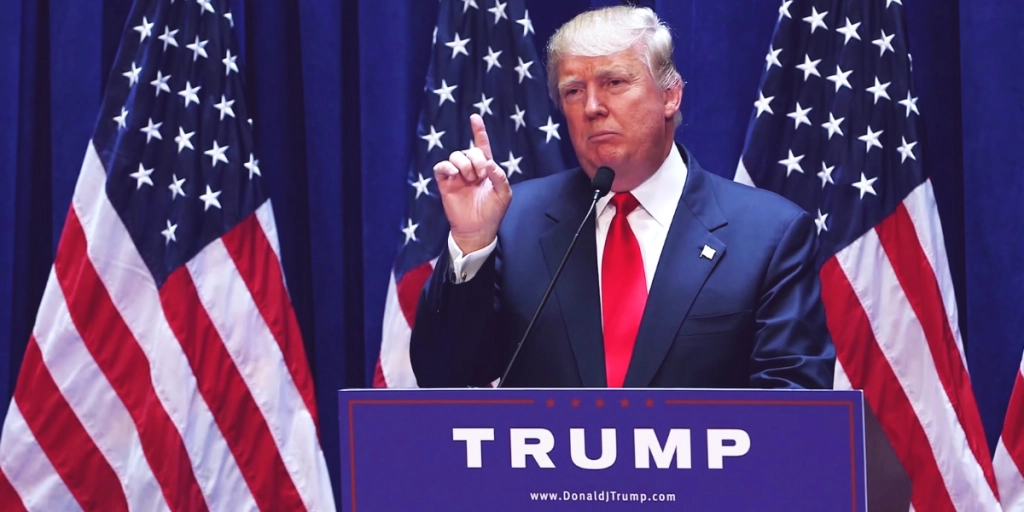
Political leaders frequently offer ambitious monetary proposals to capture voter interest during turbulent cycles. Financial analysts continue to caution that such measures often carry profound and lasting consequences for national stability.
President Donald Trump sparked widespread debate yesterday by promising a direct payment of $5,000 to every adult American citizen. This ambitious national dividend depends entirely on the Republican party securing commanding congressional majorities during the upcoming midterm elections.
With approximately 270 million adults eligible for the payout, according to the New York Times, the total federal cost would reach an extraordinary $1.3 trillion. This proposed expenditure arrives at an exceptionally precarious moment, given that the US national debt has already surpassed the historic mark of $40 trillion.
While the promise was seemingly intended to offset skyrocketing living costs and ease the burden of rising energy prices, delivering an unfinanced stimulus on this immense scale risks unleashing a devastating inflationary wave across the country.
Warnings against sudden interest rate explosions
Top economic minds argue that the consequences could cripple the nation’s financial standing for decades. Erik Nielsen, a seasoned senior advisor at Independent Economics and former chief economist for Unicredit, heavily cautions that this unbudgeted expenditure could instantaneously destabilize global trading floors and domestic credit markets alike.


“My assessment is that interest rates could easily jump by 1 percent in a single bound if checks like these are handed out to citizens,” Nielsen said to TV 2. He added that the federal government currently allocates over 20 percent of its total tax revenue merely to service existing debt.
Nielsen further cautioned that funding this massive national deficit would inevitably force the central bank to print additional currency: “The situation will get completely out of control if such a measure is implemented.”
He further noted that prior treasury interventions failed to stabilize the economy. In a striking condemnation, he suggested that European investors should completely halt their purchases of American government bonds, arguing that the nation’s borrowing habits have descended into total dysfunction.
The dangers of unbudgeted government expenditures
The sweeping nature of this specific campaign promise has drawn dark comparisons to recent global financial disasters. Nielsen likened the proposal to the disastrously unfunded tax cuts proposed by Liz Truss, the briefly tenured British prime minister.
According to Nielsen, this policy directly mimics her catastrophic approach, carrying the potential to terrify international bond markets and force a deeply humiliating reversal.
In Washington, stark legislative realities further complicate the situation. Mads Dalgaard Madsen, a former diplomatic advisor, emphasized to DR that no sitting president possesses the unilateral authority to distribute such massive funds without explicit congressional approval.
Political commentator Torsten Jansen described the payout as a calculated gamble born out of political desperation. He noted that beyond steep congressional resistance, any serious attempt to execute the distribution would face immediate legal challenges over unlawful voter influence.
Finally, international news correspondent Kim Bildsøe Lassen added that despite the near-impossible path to realization, the pure audacity of the proposed sum guarantees it will remain a fierce point of debate as the pivotal election approaches.
Sources: TV 2, The New York Times, DR



