
 Asger Risom
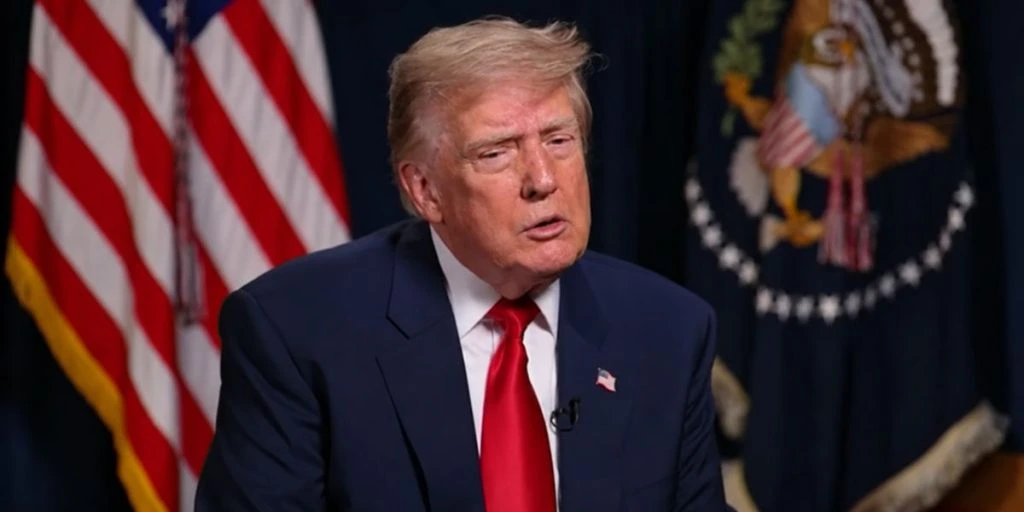
Donald Trump invited Chinese automakers to build factories in the US, but federal bans on Chinese vehicle software make operating those plants legally impossible.


Donald Trump is unexpectedly rolling out the welcome mat for Chinese automakers. As AutoGuide notes, during an interview on Fox News’ The Ingraham Angle, the president stated he would allow Chinese car companies to establish manufacturing plants inside the United States. His singular condition for this trade pivot is that foreign brands must hire American workers to run the assembly lines, comparing the strategy to how Japanese automakers integrated into the domestic economy decades ago.
The invitation marks a sharp departure for an administration that previously championed massive tariffs to keep cheap Chinese imports out of the market. Yet, welcoming foreign factory investments crashes headfirst into a wall of federal regulations. As InsideEVs reports, the current legal infrastructure makes it virtually impossible for a Chinese automaker to sell a vehicle on American soil, regardless of where it is physically assembled.
This sudden openness to foreign manufacturing also undercuts a fierce bipartisan push to lock China out of the domestic auto industry. Michigan Senator Elissa Slotkin recently warned of a potential auto trade package, having previously co-sponsored legislation designed to permanently ban Chinese vehicles. If a Chinese-owned factory actually breaks ground in the Midwest, it would derail years of legislative momentum built to protect Detroit from subsidized competition.
The impenetrable software blockade
Even if a Chinese juggernaut like BYD wanted to build a plant in Ohio tomorrow, the United States Department of Commerce has already neutralized the venture. A federal rule finalized in early 2025 explicitly prohibits the sale of any connected vehicle containing software or hardware developed by Chinese technology firms. Regulators engineered this restriction to prevent foreign adversaries from turning the cameras and sensors on modern cars into espionage devices that harvest domestic consumer data.


This digital embargo is comprehensive and geographically blind. It applies directly to the underlying architecture of the vehicle, meaning a car assembled entirely by American workers is still illegal to sell if it runs on Chinese code. The software restrictions officially take effect for the 2027 model year, followed by an absolute ban on Chinese automotive hardware rolling out for 2030.
Because modern electric vehicles rely on integrated software to manage everything from battery cooling to infotainment, this regulation functions as a total blockade. Strict enforcement of these digital rules already forced Polestar to halt its American operations and left legacy giants like Mercedes-Benz aggressively auditing their supply chains. Until those federal regulations are dismantled, a Chinese auto plant in the United States would be manufacturing cars it legally cannot sell.
A fractured trade strategy
Trump’s television comments expose a stark divide within the federal government on how to handle the global automotive supply chain. While the president floats the idea of Chinese-owned factories on national television, his own cabinet is actively attacking American automakers for merely licensing foreign technology.
Just days before the Fox News broadcast, Department of Transportation Secretary Sean Duffy launched a public rebuke against Ford. The federal agency targeted the automaker for partnering with Chinese battery giant CATL to supply its new Michigan facility. If the federal government is punishing Ford for licensing battery blueprints to use in an American-owned plant, inviting fully Chinese-owned automakers to set up shop is a jarring policy contradiction.
This chaotic regulatory environment sets the stage for a tense negotiation as Chinese President Xi Jinping prepares to visit Washington later this month. The global auto industry is watching closely to see if Trump will attempt to dismantle the Commerce Department’s software bans to secure a manufacturing deal. Until those regulatory roadblocks are removed, the invitation to Chinese automakers remains a legally unworkable gesture.



