
 Christine Drews Sieger
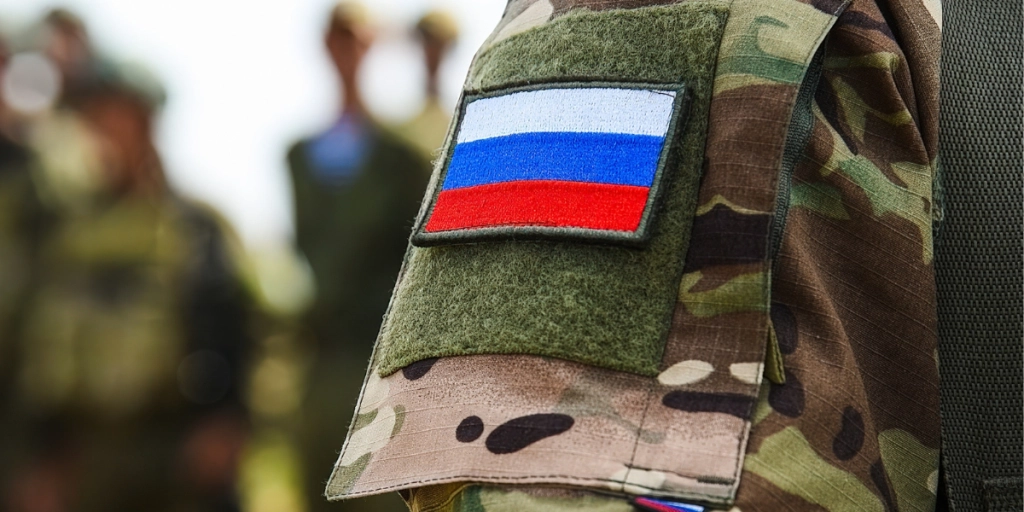
Russia is resorting to aggressive tactics and lowering medical standards to replenish its dwindling front-line forces.
Long conflicts force military leaders to confront hard choices about manpower. When standard recruitment pipelines run dry, authorities often reshape basic entry rules to keep their forces supplied.
Military recruiters across Russian social networks are launching an aggressive media blitz to secure fresh troops.
Tens of thousands of identical job postings flood local groups and message boards every single day.
According to The Moscow Times, cited by RBC-Ukraine, recruiters are plastering these ads across sites like VKontakte and Odnoklassniki.


Local government pages and community portals host the listings as well.
Massive financial incentives fuel the campaign. Recruitment drives promise candidates sign-on bonuses in the millions alongside relief from personal debts and competitive annual pay packages.
Dropping health standards
Medical requirements have effectively collapsed under the pressure. Recruiters now actively recruit individuals who were once legally banned from serving in the armed forces, according to The Moscow Times.
Promoters in the Voronezh region are unabashed about lowering the bar, with listings blatantly advertising:
“Hepatitis, HIV, syphilis, and other diseases – we are ready to accept!”
Physical illness is only part of the story. Quiet outreach has even expanded to men designated under ‘Category D’ status—a classification reserved for severe psychiatric diagnoses or substance abuse that legally bars individuals from military duty.
Shrinking troop numbers
Desperate measures reflect a deepening enlistment crisis. Contract enlistment continues its downward slide.
Roughly 234,000 people enlisted in the first eight months of 2026, marking a 10 percent decline from the same timeframe a year earlier. Financial perks are simply failing to attract enough volunteers.
To plug manpower shortages, border controls are tightening around reservists.
Officials recently logged the first instance of a reservist being turned back at the border because of an active draft notice attached to his profile, The Moscow Times reports.
Recruitment Becomes More Aggressive
Russia’s efforts to fill the ranks are also becoming increasingly coercive.
According to El País, human rights organizations have documented a rise in cases where vulnerable people were pressured or taken by force to sign military contracts.
The newspaper reported that at least 44 Russian regions now offer financial rewards to recruiters for each new soldier they bring in, with payments ranging from 10,000 to 1 million rubles.
Those targeted reportedly include financially vulnerable individuals, people struggling with addiction, and isolated citizens—indicating that Russia’s recruitment campaign is shifting from voluntary financial incentives toward systematic exploitation.



