
 Lauge Risom Koch
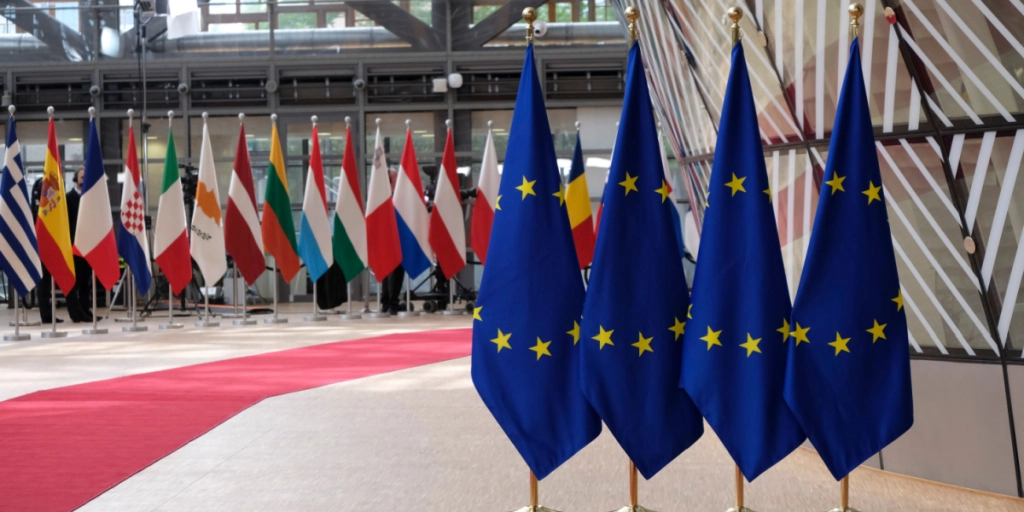
European Union ambassadors failed to agree on renewing individual sanctions against Russian President Vladimir Putin and thousands of others just before the deadline.

European Union ambassadors have once again failed to reach an agreement regarding the renewal of individual sanctions against Russian officials. According to the Kyiv Post, the restrictions targeting Russian President Vladimir Putin and thousands of others will expire on Tuesday unless all 27 member states approve an extension. The unresolved diplomatic stalemate leaves the immediate future of these critical wartime economic restrictions highly uncertain.
The Committee of Permanent Representatives held formal discussions on Monday morning but ultimately concluded the meeting without reaching a consensus. As reported by the Kyiv Post, a diplomatic source confirmed the deadlock by stating, “Coreper did not decide on extending the sanctions.” Officials quickly scheduled a second meeting for later in the afternoon to make another attempt at resolving the ongoing disagreements.
The diplomatic impasse follows an earlier compromise where the bloc only managed to secure a brief seven-day extension on September 14. According to the Kyiv Post, this short-term measure was strictly intended to provide additional time to resolve specific objections raised by France and Slovakia. If member states cannot achieve unanimous approval before the deadline, the individual sanctions targeting nearly 3,000 individuals and entities could entirely lapse.
France and Slovakia push to remove specific Russian oligarchs
The primary obstacle preventing a longer extension stems from specific demands to remove prominent Russian billionaires from the international sanctions list. As noted by the Kyiv Post, France is actively seeking the official removal of the sanctioned Russian oligarch Alisher Usmanov. Meanwhile, Slovakia previously pushed for the removal of both Usmanov and Alfa Bank co-founder Mikhail Fridman during earlier negotiations in March.


These specific national demands pose a massive logistical challenge because the European regulatory framework requires complete unanimity for such decisions. According to the Kyiv Post, a formal objection from just one government holds the power to block the renewal of the entire extensive list. The currently threatened roster includes Russian Foreign Minister Sergei Lavrov, former Ukrainian President Viktor Yanukovych, and various senior military commanders.
The European Union normally renews these targeted individual restrictions on a routine basis every six months without experiencing such severe diplomatic gridlock. As highlighted by the Kyiv Post, this specific dispute only concerns individual listings and remains entirely separate from the broader sectoral restrictions on the Russian economy. Those broader economic measures operate on a completely different renewal timetable and are not currently at risk of expiring on Tuesday.
Restricting assets and travel for supporters of the invasion
The threatened sanctions regime applies to individuals and entities directly associated with the ongoing military aggression and occupation of Ukrainian territory. According to the Kyiv Post, these strict international measures heavily utilize comprehensive asset freezes and strict international travel bans. Furthermore, European citizens and registered companies are legally prohibited from making any economic resources available to the sanctioned organizations.
The regulatory bloc initially introduced this punitive regime in 2014 immediately following the illegal Russian occupation and annexation of Crimea. As reported by the Kyiv Post, authorities significantly expanded the program after Moscow launched its full-scale invasion of Ukraine in February 2022. The list has continually grown as the conflict progresses, reflecting ongoing efforts to systematically undermine the sovereignty and independence of Ukraine.
In addition to these individual restrictions, the bloc recently adopted its 21st comprehensive sanctions package earlier this year in July. According to the Kyiv Post, that separate package specifically targeted additional vessels operating within Russia’s shadow fleet alongside various financial institutions. However, without immediate unanimous approval during the upcoming afternoon session, the crucial individual restrictions holding specific people accountable remain at severe risk.



