
 Kenneth Glad
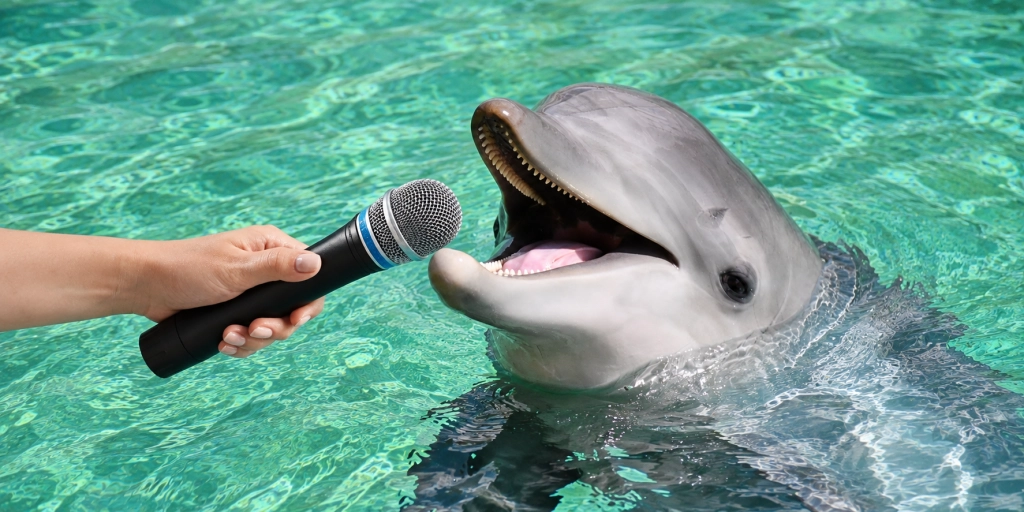
We share our planet with millions of other species, and their hidden worlds have fascinated us for generations. We constantly seek ways to bridge that gap. But some experts warn that our shiny new tools might cause far more harm than good.


Artificial intelligence is rapidly entering the field of animal behavior. Headlines often suggest that researchers are on the verge of cracking a secret code to speak with wildlife.
For Stephanie King, this is a deeply flawed goal. The University of Bristol researcher spends her days studying dolphins off the coast of western Australia.
The Guardian reported that she finds the push for a high-tech interpreter incredibly misleading: “I think we’re doing the animals a disservice by focusing on that question.”
Dolphins process their watery world in ways humans can barely comprehend. They rely on sound to navigate. For them, echolocation might actually feel like a physical touch.


Unwanted interruptions
Other wildlife experts share these very same concerns. Joyce Poole has studied savanna elephants for decades, and she finds the language goal completely frustrating.
“I get quite exasperated by this goal of being able to talk to the animals,” she said. According to the newspaper, Poole prefers focusing on what the elephants are actually thinking.
Inserting our voices into wild habitats carries very real risks. At New York University, César Rodríguez-Garavito points out the dark side of this technology.
He fears a terrible future. Imagine tourists and companies harassing wildlife with artificial calls: “The nightmare scenario is one where we interrupt their communications and their lives at will, just for our entertainment.”
A confidence trick
All this excitement surrounding animal translation distracts from the hard science. Tech investors are pouring huge sums into untested software.
Marine mammal expert Luke Rendell told The Guardian the hype has outpaced reality. “There’s been this idea put about that AI is going to find something that we couldn’t.” He did not hold back. “It’s something of a confidence trick, I think,” he explained.
Most field scientists agree that good research simply takes patience. King still forces her students to identify dolphins manually rather than using automated software.
She strongly believes that understanding animal behavior requires slow and deliberate work: “If you really want to understand behavior, then the details matter.”
Source: The Guardian



