
 Kenneth Glad
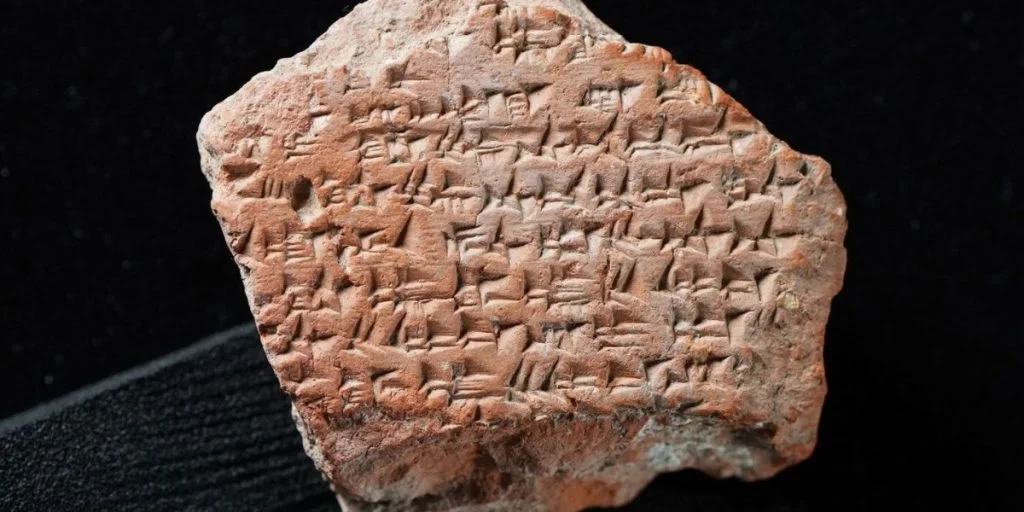
When historians dig into the earth, they usually expect to find weapons, ruined walls, or forgotten graves. Sometimes, they pull something much more hopeful directly from the dirt. A recent discovery proves that modern diplomacy actually has some extremely deep roots.


Researchers working in central Türkiye recently identified a broken piece of a very old clay tablet. It sat under microscopes for nearly a year. Only then did experts realize exactly what they had pulled from the ground.
The artifact comes from the ancient ruined capital of Hattusa. According to a report from the Anadolu Agency, it is a crucial missing piece of the famous Kadesh Peace Treaty.
That landmark agreement officially ended a massive, bloody conflict between the Hittite Empire and Egypt back in the 13th century BC. Historians widely consider it the earliest known written peace deal in human history.
Rules for safe harbor
This specific chunk of clay focuses heavily on the rights of refugees. It outlines clear rules for dealing with people who fled either the Hittite kingdom or Egypt to seek safety across the border.


Turkish Culture and Tourism Minister Mehmet Nuri Ersoy proudly shared the discovery on social media. The timing was highly deliberate. He made the announcement directly on World Peace Day.
“We have found traces of peace dating back thousands of years in the soil of Anatolia,” Ersoy stated. The ancient text also references the destruction of homes. It offers a surprising glimpse into early human rights.
Pieces of the puzzle
The readable sections provide incredible insight into historical diplomacy. “The new fragment contains lines from provisions of the treaty regulating the treatment of people who took refuge in one country after fleeing another,” the minister said.
Ersoy quickly connected these old promises to modern conflicts. He noted that the ancient rules carry a powerful message about protecting human dignity today, especially regarding the current struggles in Palestine.
The Egyptian version of this historic pact still lives on large temple walls. Meanwhile, archaeologists originally found the Hittite clay copies at the Hattusa site well over a century ago.
Other salvaged parts of the document currently sit in museums across Istanbul, Ankara, Berlin, and St. Petersburg. Excavation teams remain hard at work at the site today. They desperately hope to find even more missing pieces.
Sources: Anadolu Agency, Mehmet Nuri Ersoy/X



