
 Asger Risom
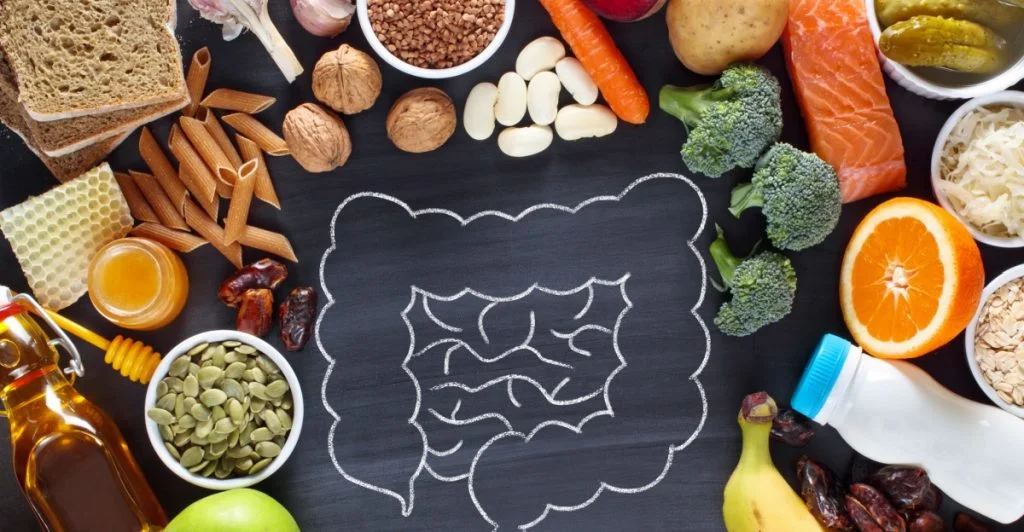
The “fibermaxxing” trend is a processed food loophole. By extracting isolated fibers like inulin and injecting them into sodas and snack bars, the industry is rebranding junk food as gut health—and leaving consumers with severe gastrointestinal distress.


Only 4% of U.S. adults consume the recommended daily amount of fiber. The food industry knows this, but instead of fixing the supply chains that make fresh produce expensive, they found a cheaper solution: isolating fiber in a lab and pumping it into soda.
According to a September 2026 report in Fortune, the sudden boom in “fibermaxxing” isn’t solving the American dietary gap. It is simply allowing companies to rebrand processed junk food by injecting it with cheap, extracted carbohydrates.
The extraction economy
Dietary fiber refers to carbohydrates the human body cannot digest. In whole foods like lentils, oats, and raspberries, that fiber comes packaged with water, antioxidants, and a physical structure the gut is built to process slowly. But real food is expensive to scale, difficult to ship, and spoils quickly.
To bypass this, food engineers isolate fermentable fibers—primarily inulin, extracted from chicory root or Jerusalem artichokes. They take this isolated powder and dump it into keto snack bars, processed baked goods, and canned beverages. By meeting a raw numerical metric on the FDA nutrition label, companies can legally market a highly processed snack as a premium “gut health” product.


The mechanical failure
The human digestive system does not process an isolated powder the same way it processes a bowl of oats. When a consumer drinks a single can of high-fiber soda containing 15 grams of isolated fermentable fiber, the existing gut bacteria attempt to break it down all at once.
The mechanical byproduct of that rapid breakdown is flash fermentation. For the consumer, this translates directly to bloating, cramping, and gastrointestinal distress. The industry has engineered a product that delivers the exact opposite of wellness.
Even the government’s updated 2025 dietary guidelines have struggled to categorize this shift, confusingly shrinking the visual representation of whole grains on the official food pyramid while still insisting Americans need to eat more of them.
Ultimately, the wellness market has convinced consumers to pay a premium to biohack their way around eating a vegetable. The food industry isn’t fixing the fiber gap; they are just charging $4 a can to monetize it.



