
 Jens Asbjørn Bøgen

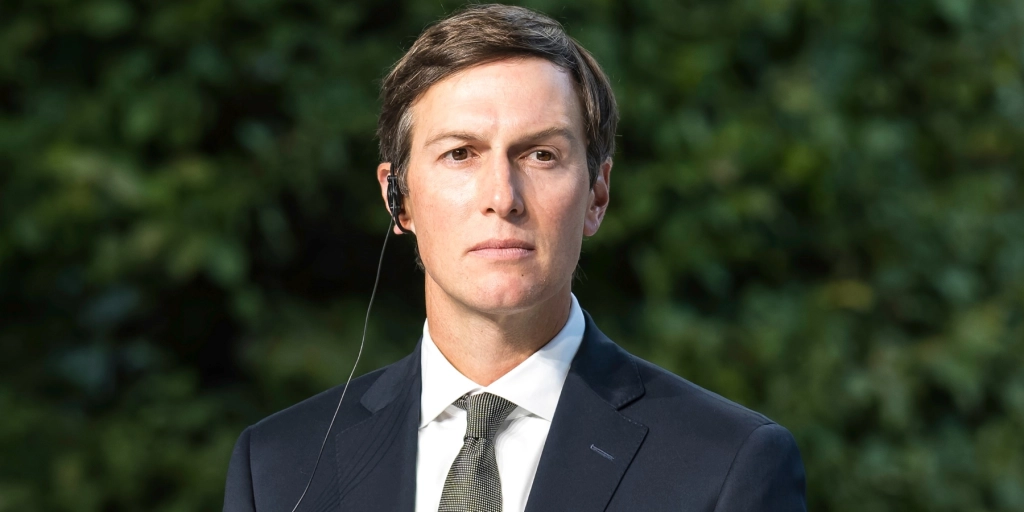
Two statements on the same question, less than 24 hours apart.


For nearly 40 nations that spent November 19 in Berlin trying to lock in how Ukraine’s postwar security would actually work, the premise of the day rested on an assurance from Jared Kushner.
The US envoy told reporters after the Coalition of the Willing summit that the Kremlin had been talked into living with the core American idea.
Less than 24 hours later, Russia’s own Deputy Foreign Minister Sergei Ryabkov said it had not.
He called any NATO-style arrangement for Ukraine, including a watered-down “quasi-membership” formula, “an option that is unacceptable to us,” according to a Reuters report citing the Interfax news agency.


Ryabkov went further and repeated Moscow’s standing demand: before any security guarantee is even discussed, the West must “recognize the irrevocable nature of our demand that this state must not join NATO.”
What Kushner told Berlin
Kushner, who with fellow envoy Steve Witkoff has been leading President Donald Trump’s push for a ceasefire deal, told reporters at the Berlin summit that he believed the Russians had been brought on board.
“I think we’ve gotten the Russians comfortable with that concept, where any security guarantee for Ukraine would be based on Article Five,” he said, referring to the NATO treaty clause that treats an attack on one member as an attack on all. He called the offer “a really, really big deal” from Washington’s side and said Trump was open to it if it was embedded in a wider security package.
That framing was the pitch to European allies gathered around Ukrainian President Volodymyr Zelenskyy, UK Prime Minister Andy Burnham, German Chancellor Friedrich Merz and French President Emmanuel Macron.
The meeting was meant to secure Europe a seat at any negotiating table and, in Burnham’s words, show that the continent holds a “united negotiating position.“
Zelenskyy already saw the gap
Even before Moscow’s reply landed, the European side was not convinced the concept existed yet.
Zelenskyy told reporters in Berlin there was no common understanding of what an Article 5 arrangement for Ukraine would actually mean in practice, and specifically whether it would involve US or European troops on the ground.
Ryabkov made his statement in Moscow on November 20, the morning after the Berlin summit. He added, per European Pravda, that Moscow remained open to dialogue in general but ruled out any discussion that involved Ukraine’s path into the alliance.
Where the talks now stand
For Trump’s envoys, the sequence is awkward. The core selling point to European capitals, that Moscow had already quietly agreed to the mechanism, was contradicted by a senior Russian diplomat on the record within the same news cycle.
Russia’s position as Ryabkov laid it out is the one Moscow has held since before the war: Ukraine permanently outside NATO, as a precondition, with security guarantees to be discussed only after that has been written in.
Burnham used the Berlin platform to announce 1,000 UK-built long-range drones and British fast attack boats for Ukraine, with delivery to be coordinated with Norway.



