
 Lauge Risom Koch
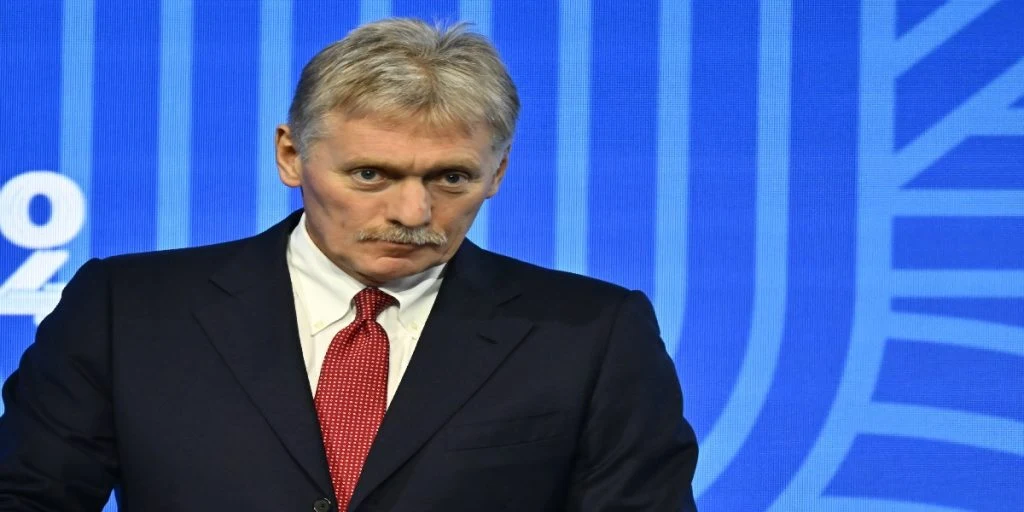
Russia sent a formal diplomatic note warning NATO that it could deploy nuclear weapons if the alliance attempts to isolate Kaliningrad.

Russia privately warned NATO that it could resort to nuclear weapons if the military alliance attempts to isolate its Kaliningrad exclave. According to United24 Media, a formal diplomatic note delivered to NATO headquarters accused the alliance of pursuing a dangerous course. Russian officials cautioned that continuing this perceived trajectory carries high risks of provoking a direct armed conflict between both sides.
The diplomatic document explicitly warned that any major military confrontation could immediately include Russian strikes against decision-making centers within NATO member states. Moscow declared its full readiness to deploy its entire arsenal, including tactical and strategic nuclear weapons, to defend its sovereign territory. This severe warning specifically applies to any allied attempt aimed at cutting off the heavily militarized region from the rest of Russia.
Kaliningrad serves as a critical Russian strategic outpost situated on the Baltic Sea between NATO members Poland and Lithuania. Moscow has increasingly portrayed routine allied military exercises and reconnaissance flights near the exclave as direct existential threats. The warning coincides with heightened European concern over intensifying Russian hybrid warfare operations, sabotage, and cyberattacks across the continent.
NATO response and analyst assessments
NATO firmly rejected the accusations from Moscow in a written response also reviewed by journalists. The alliance reiterated that it remains a strictly defensive organization whose military exercises pose no threat to Russian territory. Allied leaders explicitly urged the Russian government to refrain from increasingly reckless behavior and cease its irresponsible nuclear rhetoric.


Nuclear analyst Nikolai Sokov noted that the warning reflects deep concern within Moscow regarding Western military support for Ukraine. He explained that Russian leadership fears potential restrictions on Baltic shipping, interpreting prospective maritime blockades as acts of open war. Sokov warned that these heightened anxieties create a dangerous environment with a significant risk of mutual miscalculation between nuclear powers.
Russian diplomatic missions in at least three European nations issued similar formal warnings regarding the strategic status of Kaliningrad. Kremlin spokesperson Dmitry Peskov described these aggressive diplomatic notes as necessary reminders directed at hotheads within European governments. A day prior to the formal note, Russia’s embassy in the United Kingdom similarly threatened nuclear retaliation against any Baltic blockade.
Escalating rhetoric and Western resolve
European defense officials characterized the formal note as the first explicit threat of its kind received from Moscow since the Cold War. Senior security analysts described the escalation as a serious attempt to deter Western nations from deepening their involvement in regional security. Despite the gravity of the communication, Western diplomats emphasized that the alliance would not alter its long-term strategic posture.
A senior NATO diplomat characterized the communication as another transparent attempt to intimidate European countries into abandoning Ukraine. The diplomat confirmed that the alliance intends to maintain its firm support for Ukrainian defense forces despite the implicit threats. European capitals continue refining collective defense mechanisms to safeguard critical infrastructure while upholding freedom of navigation in international waters.
The formal warning underscores the growing fragility of security relationships between Russia and Western nations across Northern Europe. Allied commanders maintain continuous surveillance around the Baltic region to prevent potential miscalculations or unintended military clashes. Defense ministers across the alliance remain committed to protecting all sovereign territory without succumbing to coercive nuclear diplomacy.



