
 Lauge Risom Koch
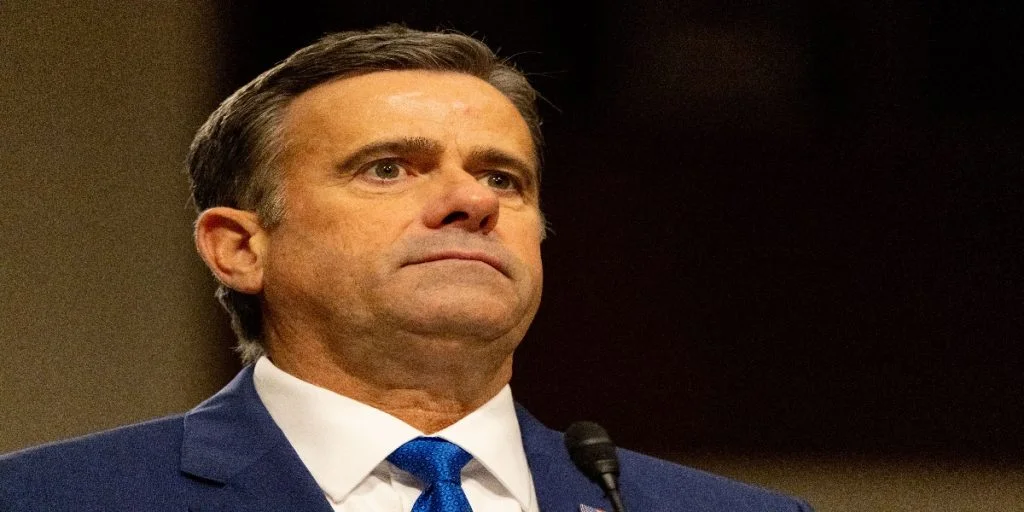
Central Intelligence Agency Director John Ratcliffe reportedly warned Russian officials that their economy could collapse like the Soviet Union if the war continues.

Central Intelligence Agency Director John Ratcliffe reportedly warned the Kremlin against continuing its war in Ukraine. According to the Kyiv Post, a high-ranking diplomatic source revealed details regarding Ratcliffe’s unannounced August visit to Moscow. The intelligence chief allegedly cautioned Russian leadership that their domestic economy could suffer a collapse similar to the fall of the Soviet Union.
American intelligence assessments indicate that the Russian military has struggled to secure meaningful strategic gains on the battlefield. Meanwhile, the national economy risks buckling under the immense financial pressure required to sustain the ongoing invasion. Washington utilized these economic projections to urge Moscow to negotiate a settlement rather than waiting for Western support for Kyiv to diminish.
Recent financial reports note that the Kremlin expects its 2026 budget deficit to exceed 3% of its gross domestic product. This figure represents a significant increase from an earlier deficit estimate of less than 2%. Officials optimistically hope to lower that forecast back to 2% by 2027 through extensive government borrowing.
Economic projections and diplomatic messaging
For historical context, a World Bank assessment estimated the Soviet budget deficit reached 20% of its gross national product before collapsing in 1991. While current Russian deficits remain substantially lower, economists warn that prolonged wartime spending heavily strains the national financial system. American officials specifically hoped that sharing these stark economic projections would persuade Russian President Vladimir Putin to reconsider his strategic objectives.


Ratcliffe reportedly delivered this sobering financial assessment directly to Aleksandr Bortnikov, the head of Russia’s Federal Security Service. United States officials believed Putin would take a message from the intelligence director more seriously than standard diplomatic communications. Despite these warnings, the Russian leader signed three undisclosed decrees immediately following the unannounced visit from the American intelligence chief.
Ukrainian President Volodymyr Zelensky confirmed that officials in Kyiv subsequently received a briefing regarding the Moscow meetings. Zelensky also reportedly met with Ratcliffe during a brief stop in Ireland while traveling to the United Nations General Assembly in September. Observers speculate that Ratcliffe might assume a primary negotiating role due to a lack of progress from current diplomatic envoys.
Escalation signals and winter campaigning
Despite the stark economic warnings, current indicators suggest that Moscow continues preparing for major military escalation rather than peace negotiations. Putin recently signed a decree expanding the Russian military to over two million personnel, which includes a massive increase in active-duty troops. Furthermore, Ukrainian intelligence warned that Moscow is actively expanding the deployment of North Korean military contingents inside the country.
The Russian government is also planning a historic increase in defense spending for its upcoming 2027 federal budget. The proposed military budget will reach a record sum equaling roughly 203 billion dollars. This massive financial commitment represents approximately 35% of all planned Russian federal expenditures for that year.
European leaders are simultaneously warning about a potential armed confrontation with Moscow developing in the coming months. The Kremlin has notably increased its nuclear posture within the strategic exclave of Kaliningrad. As Russia begins its winter campaign against Ukraine, analysts suggest these escalating maneuvers represent a final bid to consolidate power before eventual negotiations.



