
 Nicolai Haugsted
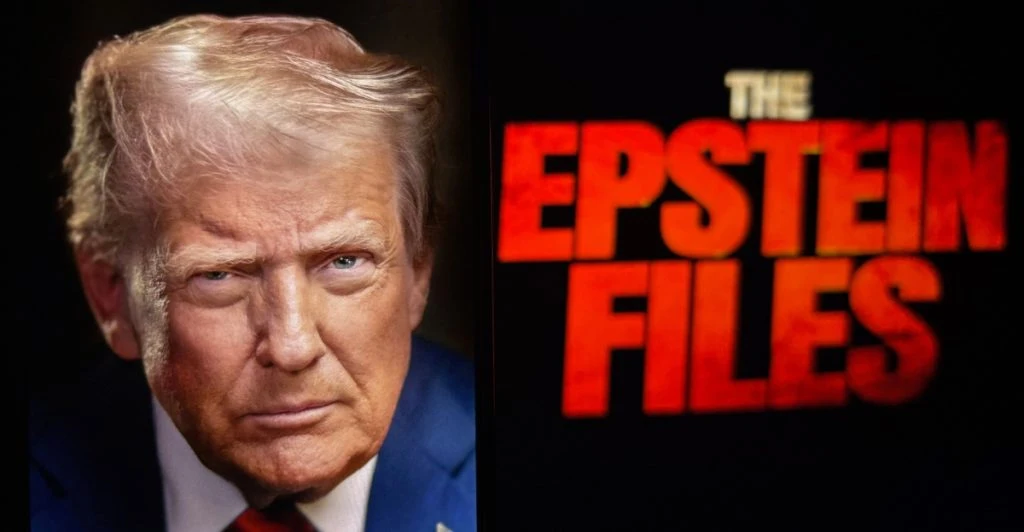
Justice Department ordered to fast-track Epstein records tied to Trump and Mar-a-Lago.


The long-running battle over Jeffrey Epstein’s files has produced no shortage of political arguments, congressional fights and demands for answers. Now, another batch of records could move through the government’s paperwork machine considerably faster.
According to Rawstory, a federal judge has ordered the US Department of Justice to expedite three public-records requests seeking material connected to Epstein and Ghislaine Maxwell, including documents that mention President Donald Trump or his Mar-a-Lago estate.
US District Judge Colleen Kollar-Kotelly handed Democracy Defenders Fund a partial victory after the watchdog group challenged the department’s handling of Freedom of Information Act requests filed in July 2025.
Rather than forcing the Justice Department to immediately dump the requested documents into public view, the ruling effectively moves the requests toward the front of the FOIA queue.


Trump and Mar-a-Lago are part of the search
Democracy Defenders Fund has been pursuing records concerning how federal authorities handled the Epstein investigations, with particular attention paid to documents referencing Trump and Mar-a-Lago. The organization originally filed requests seeking such material in July 2025.
Other requests targeted communications involving senior government officials and the administration’s handling of the Epstein material.
Kollar-Kotelly concluded that expedited treatment was justified because the requests concern a subject attracting extraordinary public attention while also raising potential questions about government integrity.
“All in all, the coverage cited by DDF surfaced possible ethical issues that had the potential to reduce public confidence in governmental institutions,” Kollar-Kotelly wrote.
Public suspicion surrounding the government’s handling of Epstein records also factored into the court’s reasoning.
Kollar-Kotelly cited polling showing that 69 percent of Americans believed the government was concealing information about Epstein’s clients. Her opinion also referenced reporting that then-Attorney General Pam Bondi had pressured roughly 1,000 FBI employees working around the clock to examine approximately 100,000 Epstein-related records and flag documents containing Trump’s name.
Watchdog celebrates a win
Democracy Defenders Fund has repeatedly accused the Justice Department of withholding or inadequately releasing Epstein-related material. More recently, the organization said records obtained through FOIA revealed communications among senior FBI and Justice Department officials that had not appeared in the government’s official Epstein-file release.
Norm Eisen, the group’s executive chair, wasted little time celebrating the latest court decision.
“BIG WIN for making the Epstein Files public,” Eisen wrote on X.
He added: “Orders DOJ to get busy giving us the docs. We will hold their feet to the fire.”
The ruling does not establish that Trump committed wrongdoing in connection with Epstein. A person being mentioned in investigative records likewise does not by itself indicate criminal conduct.
Click to display external content from x,
- You can always enable and disable third-party content.

You agree to display external third-party content. Personal data may be sent to the provider of the content and other third-party services.
The judge did not give DDF everything it wanted
Kollar-Kotelly trimmed parts of the watchdog group’s requests rather than granting them wholesale.
Language seeking communications involving “any” Justice Department official was considered too broad, so the relevant searches were narrowed to specifically named officials.
DDF also failed to persuade the judge that it qualified for another route to expedited processing reserved for requesters demonstrating a “compelling need.”
“Although it is a close call, the Court concludes that, on the present record, DDF has not established that it is primarily engaged in disseminating information,” Kollar-Kotelly wrote.
Such a finding did not erase the group’s larger victory, because the court separately determined that the exceptional public interest and government-integrity standard warranted faster processing.
Faster does not mean tomorrow
Anyone expecting a giant folder marked “Epstein” to land on the internet immediately may still need some patience.
Kollar-Kotelly did not impose a specific deadline requiring the Justice Department to produce the records. FOIA exemptions also remain available, meaning officials can continue withholding information that federal disclosure law legally protects.
The decision instead changes the priority given to the three requests.
DDF has spent more than a year pressing federal agencies for Epstein-related material, while litigation over access to government records has continued across several cases. Public filings show the organization has pursued multiple FOIA lawsuits seeking faster searches and production of records from federal agencies.
Wednesday’s ruling therefore does not answer what the sought-after files contain. It does, however, tell the Justice Department that the requests cannot simply remain buried in the ordinary line.



