
 Kathrine Frich
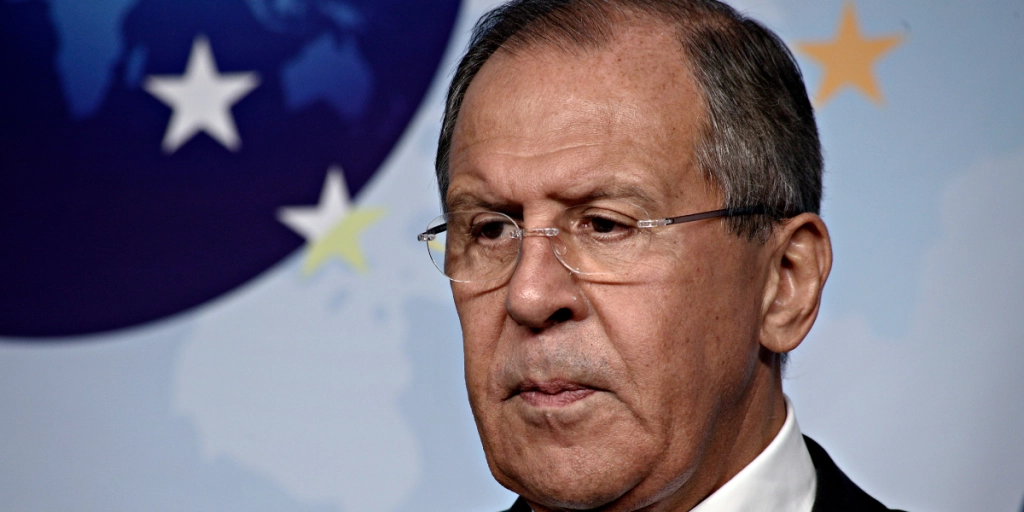
Lavrov has transformed from an architect of policy into an angry propagandist.
When a global power watches its influence slip, the resulting rhetoric often turns bitter.
For years, the Kremlin projected strength through its diplomats, but observers are noticing a shift in tone.
A mix of wounded pride and deep insecurity is beginning to show.
A changing role
British historian Mark Galeotti recently analyzed Russian Foreign Minister Sergei Lavrov. In an article for iNews cited by Ziare, he argued that Lavrov has transformed from an architect of policy into an angry propagandist.


Galeotti called the veteran diplomat Vladimir Putin’s “puppet master” who now spreads a paranoid worldview. Lavrov recently spoke at a youth festival in Yekaterinburg, where he took aim at the United Kingdom.
He questioned “what will happen to the country called Britain” following talks of independence referendums. The foreign minister declared that “the time of Westminster is coming to an end”.
Hopes for a stalemate
Moscow is also taking a harder line against the United States. Lavrov described the Ukraine conflict as “not only the war of [Joe] Biden, but also of the new American administration”.
This marks a departure from earlier hopes that Donald Trump might force a quick peace deal. Analysts suggest the Kremlin now expects a messy political stalemate in Washington.
The rhetoric continued at the UN General Assembly last month. Lavrov slammed Western nations for their “attempts to preserve its privileges and impose its ‘rules’ on everyone else.” He complained about the “dictatorship of a single hegemon”, according to Ziare.
The British obsession
Russia maintains a contradictory obsession with Britain. Russian citizens still consume British culture, yet state media constantly mocks the nation as a crumbling relic.
When a UK missile test failed last year, television host Olga Skabeyeva attacked. She mocked the country as “the former Great Britain, now we call it ‘Little Britain.’”
Fading diplomatic power
Despite his loud pronouncements, Lavrov’s actual influence is fading. Galeotti noted that the foreign minister was excluded from key discussions regarding the annexation of Crimea back in 2014.
Today, other key figures handle crucial relationships with the White House and Asian allies. The 76-year-old Lavrov has reportedly asked to retire, but Putin simply refuses to let him go.
The Russian president still needs someone with Lavrov’s ability to command an audience. But as power consolidates elsewhere, the foreign minister is left to publicly air the anger driving modern Russian policy.



