
 Jens Asbjørn Bøgen
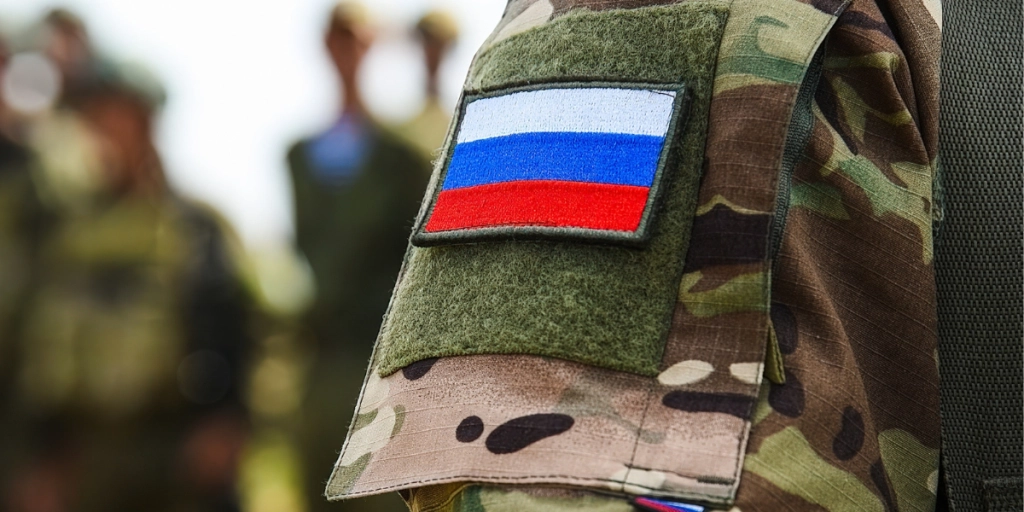
Russia’s army is scraping deeper into categories of recruits its own doctors have already rejected.


Ukraine’s Main Intelligence Directorate, known as the DIU, released an audio intercept this week that it says captures a Russian soldier confirming he has HIV and was still sent to fight.
The serviceman belongs to Russia’s 1st Separate Motorized Rifle Brigade, according to the DIU, and was deployed on combat missions in the Pokrovsk sector of Donetsk Oblast.
A Russian medical commission ruled him unfit for service in February, the intelligence service said, but his command assigned him to combat anyway. He was later declared a deserter.
The DIU described the case as part of a wider pattern of Russia’s military enlisting men already ruled medically unfit as assault troops, and said HIV without proper medication leads to serious complications. The intercept has not been independently verified.


HIV cases surge inside the Russian ranks
The problem inside the Russian army is no longer marginal. The recorded incidence of HIV among military personnel “soared by more than forty times” in the first year of the full-scale invasion, Carnegie Politika reported in July 2025, and by the end of 2023 was running about twenty times higher than before the war.
Analysts attribute the rise to battlefield blood transfusions, reused syringes in field hospitals, and unprotected sex and drug use among troops.
Officially, HIV-positive men cannot join the Russian army. In practice, some recruits conceal their status to collect the Defense Ministry’s signing bonuses, The Moscow Times reported in August.
A mobilization push behind the practice
Moscow is working through an aggressive quota. Russia aims to recruit 409,000 soldiers in 2026 after fulfilling a 403,000 target for 2025, Ukraine’s military intelligence chief Kyrylo Budanov said in late December.
Signing bonuses that can exceed $25,000 have become the main lure, he said.
Russian forces captured Pokrovsk itself earlier in 2026 and fighting continues on the axis around the city. Ukraine’s General Staff logged 172 combat engagements along the front on October 6, with 23 of them on the Pokrovsk axis, the fiercest fighting of any sector that day.



