
 Nicolai Haugsted

Prince Harry reveals how his battle with depression intensified after his departure from the royal family.
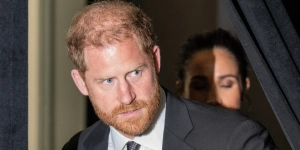

Prince Harry has spent much of his adult life trying to make sense of a childhood that the world watched unfold, but few could truly understand.
Behind the royal appearances and the privileges of palace life, the Duke of Sussex has repeatedly described struggling with grief, anxiety and the pressures of growing up under constant public scrutiny.
Now, the 42-year-old prince is revisiting some of his most painful memories in a new educational series, including the period surrounding his controversial departure from the royal family.
His latest revelations offer another glimpse into the personal struggles that have shaped his relationship with his father, King Charles, and his estranged brother, Prince William.


Harry makes heartbreaking admission about Diana
The prince discusses his experiences in Redefining Grief: Building Resilience Through Loss, a new 20-part online course produced with American educational platform MasterClass.
A newly released trailer features Harry recalling how the death of his mother, Princess Diana, affected his memories of her.
“I couldn’t remember my mum’s laugh. I couldn’t remember what she looked like,” he admits.
Diana died in a car crash in Paris in August 1997, when Harry was just 12 years old.
The prince has previously explained that he struggled to process the loss, particularly while grieving under the relentless attention of the world’s media.
Speaking in 2017, he acknowledged that his unresolved emotions had brought him “very close to a complete breakdown on numerous occasions”.
His new MasterClass series also explores how he experienced depression following his and Meghan Markle’s decision to leave their senior royal roles in 2020.
According to the Daily Mail, Harry describes having “slipped into depression” during that turbulent chapter of his life.
A childhood spent in William’s shadow
Harry has long suggested that his position within the monarchy contributed to feelings of isolation.
In his 2023 memoir Spare, he described growing up as the younger brother of the future king, believing that his role was primarily to support William.
“I was the shadow, the support, the Plan B. I was brought into the world in case something happened to Willy,” he wrote.
He continued with a particularly striking description of how he viewed his place in the family.
“I was summoned to provide back-up, distraction, diversion and if necessary, a spare part. Kidney, perhaps. Blood transfusion. Speck of bone marrow.”
Harry also recalled difficult years at Eton College, where he struggled academically and experienced loneliness.
In his memoir, he described wandering the school corridors feeling “lonely and homesick, probably anxious and depressed”.
Military life subsequently offered him a sense of belonging that he felt had been missing elsewhere.
Harry described joining the Army as “the best escape I’ve ever had”, explaining that the experience allowed him to connect with people from different backgrounds.
However, his military career also brought disappointments, including the cancellation of a planned deployment to Iraq over security concerns.
Panic attacks and a turning point
Harry has previously spoken about experiencing symptoms of post-traumatic stress following his military service, while also linking some of his difficulties to Diana’s death.
“And my war didn’t begin in Afghanistan. It began in August 1997,” he wrote in Spare.
By 2013, he said his mental health had deteriorated significantly.
“By the late summer of 2013 I was in trouble, toggling between bouts of debilitating lethargy and terrifying panic attacks,” he recalled.
Public appearances became particularly difficult.
“Hours before a speech or public appearance I’d be soaked with sweat. Then, during the event itself, I’d be unable to think, my mind buzzing with fear and fantasies of running away.”
His former girlfriend Cressida Bonas reportedly encouraged him to confront his emotional difficulties and seek professional support.
Harry later credited her with helping him cry about his mother’s death for the first time since childhood.
He also previously praised William for encouraging him to seek therapy, describing his brother as “a huge support”.
Their relationship, however, would become increasingly strained in the years that followed.
Royal family tensions added to his struggles
Harry’s marriage to Meghan Markle in 2018 marked another major chapter in his life.
The couple’s relationship with the British press became increasingly hostile, with Harry expressing fears that Meghan could face the same intense media attention that had surrounded his mother.
He later described reaching a “very dark place” and feeling that he had nowhere to turn.
Following their departure from royal duties in 2020, Harry and Meghan moved to California and began speaking more openly about their experiences within the monarchy.
During their 2021 interview with Oprah Winfrey, Harry claimed that his father had stopped communicating with him for a period and that the family had withdrawn financial support.
“My family literally cut me off financially,” he said.
He also explained that protecting his family’s wellbeing had influenced their decision to leave.
“My own mental health, my wife’s, and for Archie’s, as well, because I could see where this was headed,” he said when discussing his reasons.
The prince credited Meghan with helping him find a different direction in life, while his relationship with William continued to deteriorate.
Harry’s difficult relationship with Charles
Harry’s memoir also explored his complicated relationship with his father.
Although he described moments of affection, he suggested that Charles often struggled to communicate his feelings directly.
“Pa and I mostly coexisted. He had trouble communicating, trouble listening, trouble being intimate face-to-face,” Harry wrote.
He recalled occasionally finding handwritten letters from his father praising his achievements, despite Charles having been unable to express those feelings during dinner.
“I’d smile, place it under my pillow, but also wonder why he hasn’t said this moments ago, while seated directly across from me.”
Harry has connected some of his emotional difficulties to what he describes as generational trauma within the royal family.
His account reflects his personal experience, rather than an independently established explanation for his mental health struggles.



