
 Kenneth Glad
Memory is a fragile thing. We rely on stories to pass down our history to the next generation. Out in the wild, however, forgetting a piece of local culture can threaten an entire population.
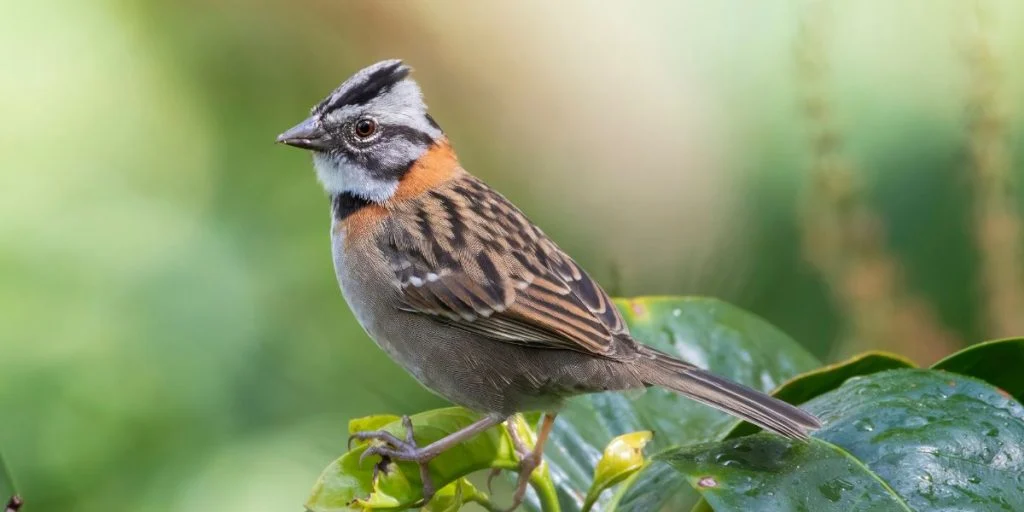
Deep in a Buenos Aires park, a forgotten melody is echoing through the trees once again. The local rufous-collared sparrows have started singing a tune that completely vanished from the area after the 1960s.
The surprising revival happened because researchers played a computer-generated version of the lost song. Less than three months later, the wild birds began picking up the notes.
According to The Guardian, scientists hope these synthetic tracks can help teach dwindling species how to communicate. Gabriel B Mindlin, a physics professor at the University of Buenos Aires, told the newspaper that learned behaviour remains a crucial part of animal survival.
“When people talk about biodiversity, we’re always talking about genes, about genetic material,” Mindlin said.


More than a melody
A strong voice is absolutely vital for a male bird looking to attract a mate.
Singing a complex tune consistently proves that he is healthy. It shows rivals he can defend his territory. Rebecca Lewis, a conservation scientist at Chester Zoo, explained the high stakes to The Guardian:
“If your song requires a lot of energy you might have to be in quite a good condition to sing it.”
She pointed out that birds with strange dialects struggle to find partners. And when populations shrink, the youngest chicks simply have fewer veteran singers around to teach them the ropes.
Sarah Collins, an associate professor at the University of Plymouth, studied relocated cirl buntings in the UK. She told the British paper that the new arrivals initially sang awkward, slow tunes.
“They didn’t have the richness of sound,” Collins said. She noted that while they are born knowing basic notes, they still need older mentors to succeed. “What they learn is how to put those elements together.”
Tutors from the wild
A separate Australian study looked at critically endangered regent honeyeaters. With fewer than 250 left in the wild, young males simply could not find older mentors. They started copying completely different species.
Captive-bred honeyeaters at Taronga Zoo had also developed odd variations. This threatened their chances of mating upon release. To fix the problem, scientists from the Australian National University brought in just two wild-born adult males.
These living tutors spent time with the younger generation to teach them the proper calls. The experiment worked. After some initial failures, the younger zoo birds finally mastered the historic melodies. They soon began teaching the next batch of chicks.
“We are extremely grateful to the two wild males recruited to the zoo population. Without them, the traditional wild song would have been lost forever,” researcher Dr Ross Crates said. Today, the captive flock is the only group on earth still singing the original tune.
As Collins observed, recorded audio is not always enough for some species. “Sometimes birds don’t learn very well from CDs or just playbacks. They need some sort of interaction.”



