
 Kenneth Glad
Deep in the world’s most ancient tropical forests, human researchers have spent decades trying to understand the intricate social lives of wild animals. Studying nature in its purest form often reveals surprising acts of trust and cooperation. Yet long-term observations can also take an unexpectedly dark turn.

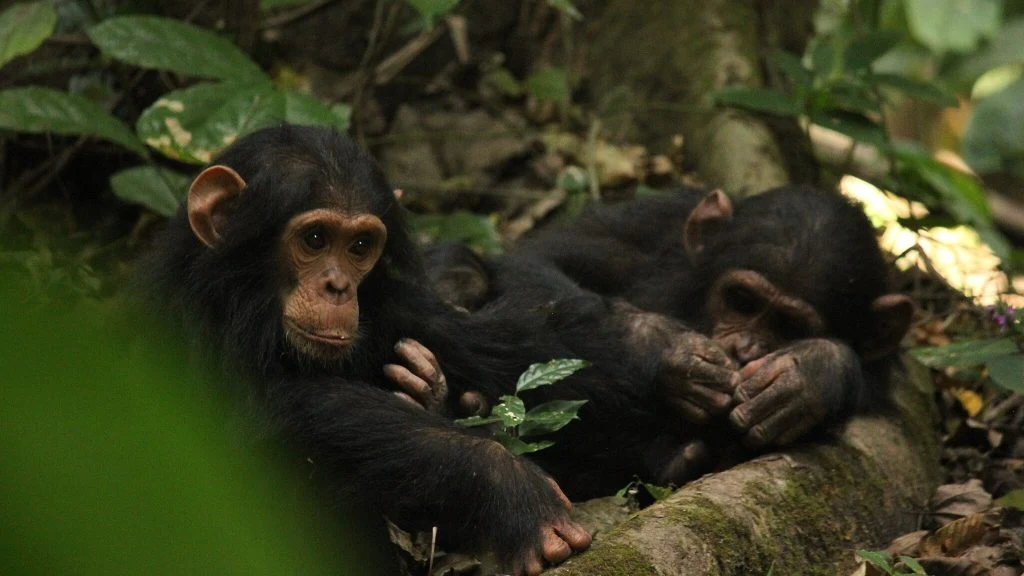
In 1995, primatologist John Mitani arrived at the Ngogo research site in Uganda’s Kibale National Park. There, nearly 200 chimpanzees lived together in peace. According to The Guardian, Mitani co-founded a dedicated research project to study this massive troop.
Gaining the trust of the wild apes required patience. A 25-year-old male named Hare became the first ape to approach Mitani without running away, marking a breakthrough for the team.
Over two decades, researchers documented unprecedented levels of cooperation among unrelated males. They also observed low mortality rates and strong social bonds forged through group hunting.
Everything changed in June 2015 when researchers noticed a strange, frantic behavior among the apes. Tensions quickly escalated into violent clashes across the forest.


A painful conflict
By 2018, the once peaceful community had fractured into two rival factions. The Guardian writes that nine males and 19 infants died during the brutal conflict, which scientists described as a rare chimpanzee civil war.
Watching the community tear itself apart devastated Mitani, who had spent decades observing them. “I was in denial. I was still in this mindset that they were doing so well together as a big group,” he recalls.
The emotional toll made it difficult for him to document the violence in a scientific paper: “I think I was dragging my heels because maybe I didn’t really want to write about this.”
Despite the violence, Mitani cautions against drawing direct parallels to human warfare. He noted that bonobos do not exhibit this behavior, emphasizing that chimps remain distinct from humans.
Facing an uncertain future
“The chimps there have many more important stories to tell us,” Mitani says, highlighting the ongoing value of long-term field research.
However, the project relies heavily on funding from the US National Science Foundation, whose cognitive sciences division faces total elimination under proposed 2027 budget cuts. Losing this financial backing would jeopardize critical conservation efforts, including daily patrols with Ugandan wildlife authorities to dismantle illegal wire snares that trap wild apes.
Now splitting his time between Michigan and Arizona, the 72-year-old primatologist still braves the increasingly steep jungle trails. Mitani hopes his life’s work inspires future generations to preserve these primates and share the planet with them.
Source: The Guardian



