
 Kenneth Glad
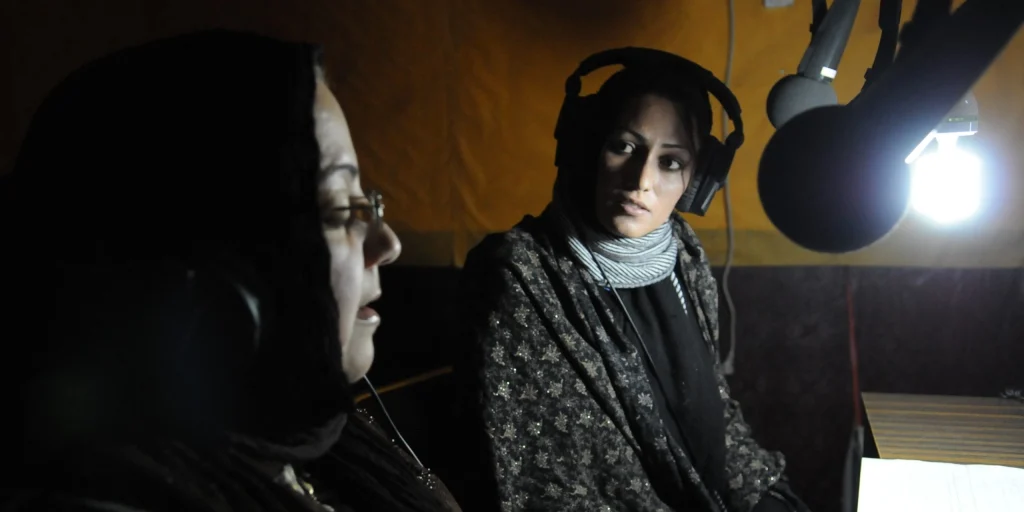
When a country cuts itself off from the rest of the planet, simple radio waves can feel like the ultimate lifeline. Millions of families gather near small receivers every evening just to hear an honest voice. But even that quiet connection can vanish with the flick of a single switch.


Afghan listeners suddenly has lost access to British radio broadcasts this week. Officials in Kabul silenced BBC transmissions across the local FM spectrum without any warning, according to the British network.
The shutdown thus eliminated the final remaining international newsroom working on domestic airwaves in Afghanistan. Two major American outlets were previously forced out in 2022, leaving the British service as the lone foreign voice in the entire country.
Authorities have given little explanation for the blackout. Instead, they offered vague accusations about broken rules while refusing to provide any details.
Khubaib Ghufran, a spokesman for the Taliban Ministry of Information and Culture, told local reporters: “Due to some repeated violations by the BBC media outlet, it is decided that for the time being its activity is suspended across the country.”


Classrooms on air
Cutting the frequency leaves a massive void for ordinary citizens. The BBC writes that more than a fifth of the adult population in Afghanistan tuned into its programming each and every week.
Much of that programming reached young women living under the regime’s strict ban on female secondary classrooms. For these homebound girls, educational broadcasts were among the last remaining ways to keep learning.
Now, executives in London are pushing to negotiate.
The broadcaster stated: “Millions of people across Afghanistan rely on the BBC for accurate news and information and we are working with the authorities to address the situation.”
Signals in the dark
While standard FM radios have fallen quiet, the network has not vanished entirely from Afghan skies. Cross-border transmissions can still bypass local transmitters to reach the country from abroad.
The BBC confirmed it is “continuing to report fairly and independently in Pashto, Dari and English to our audiences in Afghanistan, on shortwave and medium wave radio, online and via satellite”.
Tuning in will demand real effort from listeners, particularly in rural provinces where shortwave receivers remain scarce. The abrupt silence proves how aggressively the regime enforces censorship over every corner of society.



