
 Nicolai Haugsted
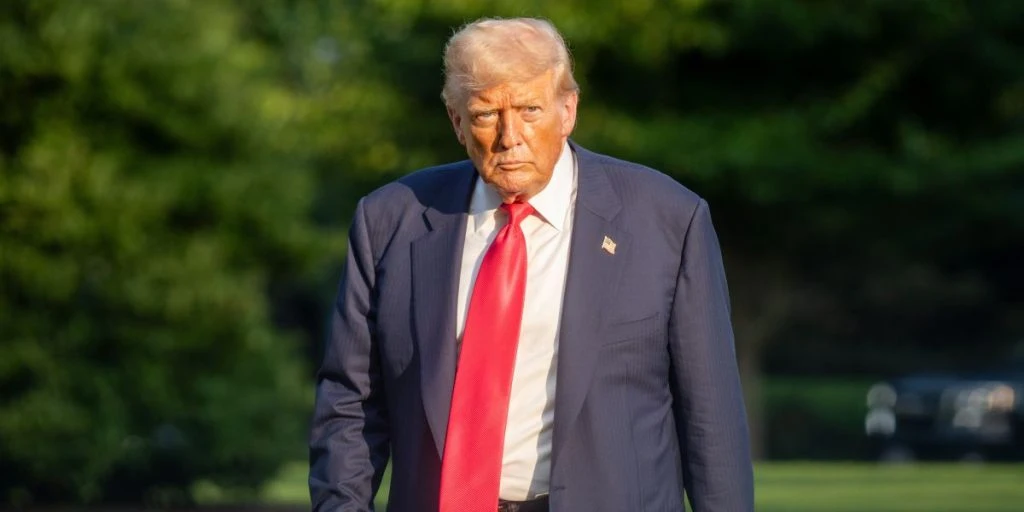
The president’s social media activity has reportedly played a significant role in a court ruling that favored three major news organizations.

Donald Trump has never been particularly shy about sharing his opinions online. Whether criticizing political opponents or taking aim at the media, the president regularly uses social media to make his position unmistakably clear.
But his habit of speaking his mind may have created an unexpected problem for his own legal team.
The Trump administration has been fighting to restrict several major news organizations’ access to the White House, arguing that national security concerns justified the decision.
Unfortunately for the president’s lawyers, their explanation did not appear to match what their own client was telling the public.


And according to a prominent First Amendment attorney, that contradiction helped deliver Trump a significant defeat in federal court.
Trump-appointed judge sides with news organizations
Federal Judge Timothy Kelly, who was appointed by Trump himself, has ruled in favor of CNN, MS NOW and Politico in their legal challenge against the administration’s White House press restrictions.
The decision allows all three organizations to maintain their White House access while the lawsuit continues.
Speaking to CNN’s Laura Coates on Tuesday, Conor Fitzpatrick, chief supervising attorney at the Foundation for Individual Rights and Expression, described the ruling as a major victory for press freedom.
“Judge Kelly ruled in favor of CNN, MS NOW and Politico, not just on the due process ground, which was the ground that he granted the TRO on, but also on First Amendment grounds, finding that President Trump’s actions constituted unconstitutional viewpoint discrimination and unconstitutional retaliation,” Fitzpatrick explained according to RawStory.
The distinction is significant.
Rather than focusing solely on whether the administration followed the proper procedures, Kelly also found constitutional problems with the reasons behind the restrictions.
According to Fitzpatrick, the judge concluded that the administration had improperly targeted news organizations over their viewpoints and retaliated against them.
Trump’s posts created a problem for his lawyers
The administration had defended the restrictions by invoking national security.
However, Fitzpatrick said the argument fell apart under judicial scrutiny.
The judge noted that the government had failed to provide supporting evidence, even through confidential procedures that would have allowed sensitive material to remain outside public view.
Fitzpatrick said the administration’s explanation “did not persuade the judge in the slightest.”
But the government’s lack of evidence was only part of the problem.
During a hearing last week, Justice Department lawyers were presenting the restrictions as a matter of national security.
At the same time, Trump was posting messages on social media indicating that the restrictions were connected to news coverage he disliked.
That left the judge confronting two competing explanations from the same administration.
According to Fitzpatrick, Kelly challenged the Justice Department attorney with a particularly uncomfortable question.
“What am I supposed to do when the president is telling me one thing, but you’re telling me another?”
For the administration’s legal team, the president’s public comments had become difficult to reconcile with the argument being presented in court.
Attorney questions national security explanation
Fitzpatrick believes the ruling exposes a fundamental weakness in the administration’s defense.
“I think this opinion is a very comprehensive one, and it shows that the idea that this was about national security was never accurate,” he said.
His assessment goes beyond the procedural questions that initially shaped the legal dispute.
Kelly had previously granted a temporary restraining order based on due process concerns.
The latest ruling also addresses First Amendment protections, giving the news organizations a broader constitutional basis for challenging the restrictions.
Coates responded to Fitzpatrick’s explanation with a pointed reminder for the president.
“What you say can and will be used against you in a court of law, Mr. President.”
Despite the setback, the ruling does not represent a final judgment in the lawsuit.
As Coates emphasized during the CNN discussion, the court’s decision comes at the preliminary injunction stage.
That means the restrictions remain blocked while the case proceeds, rather than the underlying legal dispute being permanently resolved.



