
 Jens Asbjørn Bøgen
That figure is up nearly 25% compared to the same period in September, and nearly 60% higher than in August.

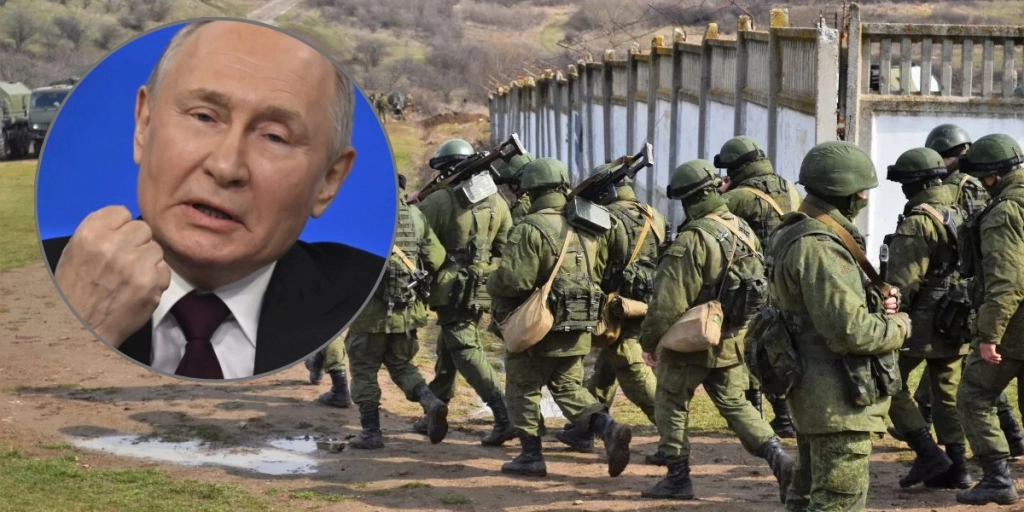
Russia is pressing hard against the Dobropillia-Pokrovsk front, feeding fresh units into the sector in what Ukrainian analysts have described as a pincer aimed at the free cities of Sloviansk and Kramatorsk.
The Ukrainian drone force says it is reading that pressure in dead and wounded.
Over the first 14 days of October, Ukraine’s Unmanned Systems Forces verified 7,306 Russian soldiers killed or wounded, a jump of 59.45 percent on the same period in August and 24.65 percent on September, Commander Robert “Madyar” Brovdi said on Telegram.
His branch’s units flew 124,500 reconnaissance and strike combat sorties in those two weeks and hit 32,172 targets, with manpower accounting for 22.7 percent of them.


The figures cover only strikes recorded and confirmed by the drone branch, through Ukraine’s Delta battle-management system, and do not include losses inflicted by other Ukrainian military units.
The numbers have not been independently verified.
Pokrovsk axis takes the brunt
On the Dobropillia-Pokrovsk axis, in the area of responsibility of Ukraine’s Azov group, drones accounted for 3,221 of those Russian casualties, up 102 percent on August and 42.5 percent on September.
The sector is where Russian command is concentrating its push: Russian naval infantry and elements of the 2nd, 51st and 41st Combined Arms Armies, along with the 90th Guards Tank Division, have been fed into the fight, part of an operation Ukrainian analysts have called the southern jaw of a Russian pincer on the free Donbas.
An earlier Madyar accounting, published October 6 and covering just the first five days of the month, had put drone-verified Russian casualties in the Azov zone at 1,268, a figure the Kyiv Independent carried at the time.
The nine days that followed brought the running Azov total to 3,221.
Fog, drizzle, and deep strikes
“A serious brawl is underway in conditions of significantly worse weather, drizzle, fog, and precipitation,” Brovdi wrote.
Weather normally suppresses the small quadcopters that account for most of the drone force’s close-in work. Brovdi said the operation to strike Russian targets at operational and strategic depth was continuing in any case.
His unit’s tally puts deep-strike missions, those reaching military-industrial and energy sites inside Russia, up 1,150 percent across 2026.



