
 Christine Drews Sieger
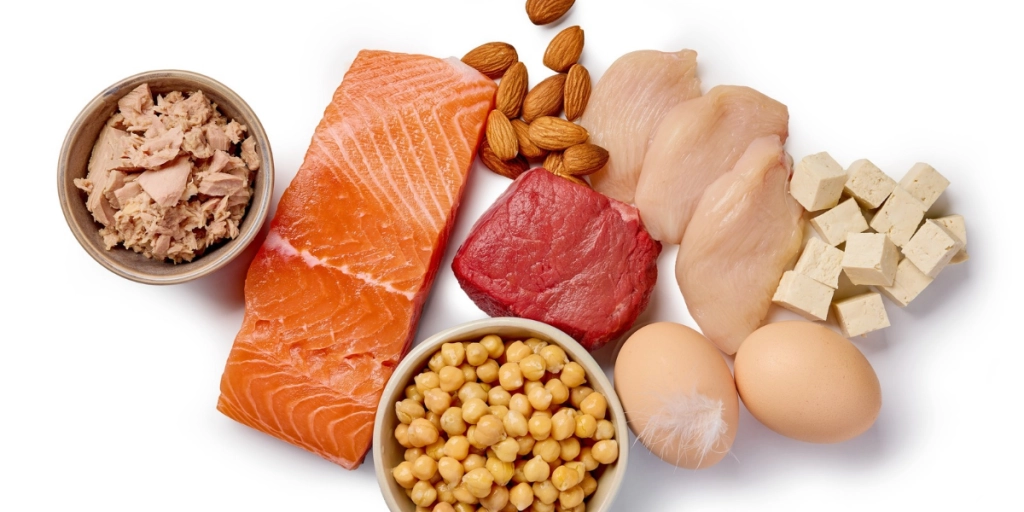
Tofu outperformed traditional protein sources like beef, salmon, and eggs in a new Cambridge researcher’s ranking that balances nutrition, cost, and environmental impact.


A new analysis of 20 common protein sources challenges traditional assumptions about which foods offer the most value on the dinner plate.
The study introduces a new scoring system where tofu ranked highest, earning 36 out of a possible 40 points, followed by everyday plant staples such as beans, chia seeds, and quinoa.
The metric, known as the BPI Score, was developed by University of Cambridge researcher Chris Macdonald in collaboration with the Better Protein Institute, Fox News reports.
Rather than focusing solely on nutritional value, the index rates foods by balancing health metrics, retail price, and environmental impact.


While plant-based alternatives scored near the top, traditional animal protein sources—including beef, lamb, mozzarella, and cheddar cheese—placed toward the lower end of the ranking.
Balancing health and environmental impact
The BPI index evaluates foods across two main categories:
- The People Score: Assesses nutritional factors such as sodium, saturated fat, cholesterol, and essential amino acids, alongside overall affordability and store availability.
- The Planet Score: Evaluates environmental footprints, measuring carbon emissions, land requirements, water pollution, and freshwater usage.
The data reveals a distinct environmental contrast between protein types. Producing 100 grams of protein from tofu generates under 1 kilogram of greenhouse gas emissions and uses approximately 2 square meters of land.
By comparison, generating the same amount of protein from beef produces over 64 kilograms of emissions and requires roughly 100 times more land, according to Fox News.
Limitations and expert perspectives
Despite the top ranking for plant-based foods, the authors and independent experts emphasize that the results should be viewed with context.
The study relies on British supermarket data and compares foods based on equal 100-gram protein totals rather than standard meal sizes.
In the paper, Macdonald explicitly noted the preliminary nature of the findings:
“While acknowledging the limitations of this first iteration, the score provides a robust foundation for a more nuanced conversation.”
Dietary experts also urge consumers to consider personal health needs and practical portion sizes before altering their diets.
In an interview with Fox News, fitness and nutrition expert Corry Matthews pointed out that different foods provide vastly different protein densities per serving.
“For example, three ounces of cooked chicken breast provides roughly 26 grams of protein,” Matthews explained.
“A half cup of firm tofu may provide around 10 to 15 grams, depending on the product. Two tablespoons of chia seeds provide only about 4 to 5 grams.”
Matthews added that while complete animal proteins remain concentrated sources of essential amino acids, plant-based choices require more intentional meal planning.
Registered dietitian Ashley Koff also highlighted individual tolerance, noting to Fox News that “many people do not digest tofu well at all.”
Ultimately, nutritionists advise using the index as a broad guide rather than a strict rulebook.
As Matthews concluded, consumers should understand what the ranking measures and select foods that support their specific nutritional goals.



