
 Asger Risom

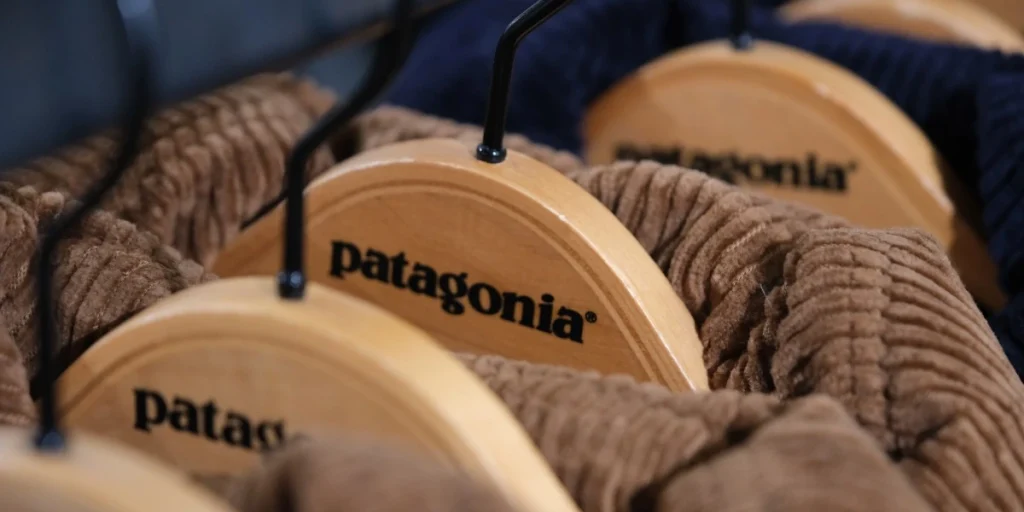
Exhausted by endless micro-trends and disposable garments, consumers are actively retiring massive luxury logos in favor of quiet, durable style.


For the better part of a decade, getting dressed was a highly competitive sport. You queued up for limited-edition sneaker drops, memorized the release schedules of global streetwear brands, and paid absolute premiums to wear massive designer logos across your chest. Getting noticed on the internet required a closet full of loud, instantly recognizable status symbols.
Today, that entire ecosystem of hype has completely collapsed under its own exhausting weight. Consumers are violently rejecting the endless churn of algorithmic micro-trends in favor of buying basic, heavily structured garments that actually last. This massive pivot toward disciplined, anonymous style was recently documented in a cultural trend report by Anarchy Daily.
We have hit a hard wall of aesthetic fatigue. After surviving years of hyper-accelerated trend cycles, nobody has the energy to reinvent their personal style every three weeks just to impress a digital audience. The newest flex is having a wardrobe that looks exactly the same today as it will five years from now.
The micro-trend burnout
The death of hype is a direct reaction to the frantic pace of modern social media. Platforms like TikTok essentially gamified the fashion industry, generating a new, highly specific “aesthetic” every single week. You were expected to seamlessly transition from vintage minimalism to maximalist streetwear in the span of a single financial quarter.


This created a deeply unsustainable environment where garments were treated like disposable pieces of content. People were buying cheap, poorly constructed clothes purely to participate in a fleeting digital moment, only to throw them away when the algorithm inevitably moved on. The resulting financial and environmental waste eventually left shoppers feeling incredibly guilty and entirely burned out.
Eventually, the sheer volume of these passing fads rendered all of them completely meaningless. When everything is billed as the absolute most important trend of the season, the consumer simply stops paying attention to the runway.
Clothes as infrastructure
Instead of chasing the next viral silhouette, people are now treating their closets like architectural projects. The focus has completely shifted away from loud graphics and landed squarely on high-quality textiles and functional tailoring. Shoppers are heavily scrutinizing stitch density, fabric weight, and warranty policies before they even look at the price tag.
This new approach treats clothing as personal infrastructure rather than a disposable costume. You buy a heavy wool sweater or a perfectly cut pair of denim with the strict intention of wearing it into the ground over the next decade. The value of the garment is derived entirely from its durability and comfort, rather than its ability to signal wealth to a stranger on the street.
Brands that survived on artificial scarcity are now scrambling to adapt to a consumer base that suddenly demands actual craftsmanship. You can no longer slap a famous logo on a cheap cotton t-shirt and expect it to sell out in fourteen seconds.
Opting out of the status game
This retreat into quiet, heavily disciplined fashion is ultimately about reclaiming personal privacy. Wearing a massive luxury logo is essentially a public declaration of your spending habits, turning you into a walking billboard for a European conglomerate. Modern consumers simply do not want to broadcast that kind of financial data to the general public anymore.
True luxury is now defined by total anonymity. The most desirable items on the market today are the ones that are completely unidentifiable to the untrained eye. It is an inside joke for people who appreciate exceptional design, allowing them to opt out of the mainstream status game entirely.
Getting dressed in the morning is finally returning to what it was always supposed to be: a quiet, personal routine. We are no longer performing for the timeline or trying to keep pace with a chaotic algorithm. The most radical fashion statement you can make today is simply wearing the exact same high-quality coat you wore yesterday.



