
 Kenneth Glad

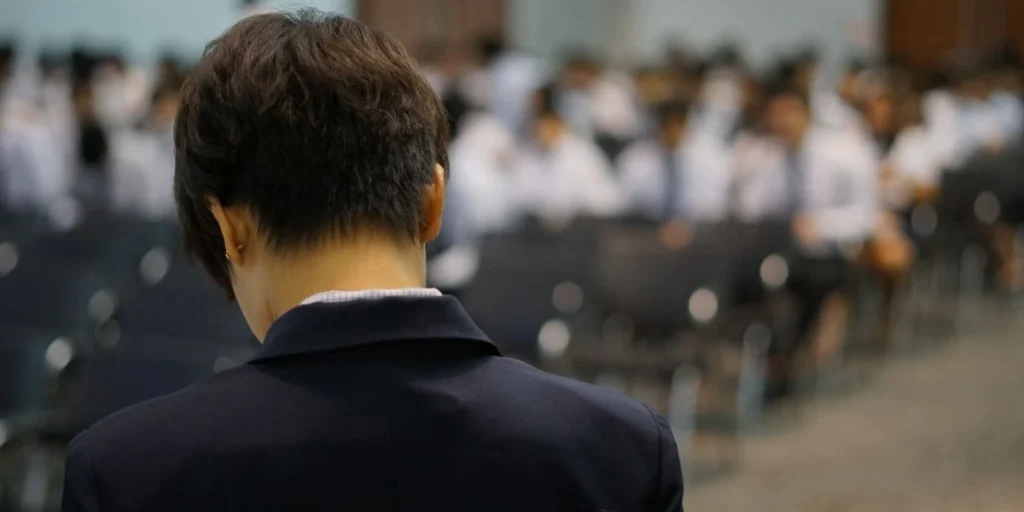
Stepping into a room full of strangers often sets off an unspoken contest for control. Most people assume authority belongs to whoever moves fastest, speaks loudest, and aggressively fills every patch of air. Yet the traits that genuinely sway an audience under pressure tell a completely different story.


Put a group into a high-stakes discussion and their bodies quickly start talking. People lean back and forth, click pens, or shuffle desk items as anxiety spills outward.
Staying composed while others unravel is deceptively difficult because our biology wants an escape hatch. While a relaxed colleague feels the exact same internal surge of adrenaline as a jittery peer, their training allows them to absorb the impulse without reacting.
That physical discipline changes how everyone else in the room evaluates them. When a speaker can take on tough questions without restless movements, people instantly read them as capable and trustworthy, according to Global English Editing.
Vocal cords surrender control just as readily. Stress tightens neck muscles, driving vocal folds to produce a strained, squeaky tone. A 2025 review in the journal Stress and Health found that “greater tension in the vocal folds causes them to vibrate faster, producing a higher frequency sound.”


The power of quiet
Resisting that involuntary vocal tightening takes deliberate awareness. In tough negotiations, keeping pitch grounded conveys more real authority than any rehearsed script.
Silence presents an even bigger hurdle for nervous speakers. Most professionals dread gaps in conversation, blurting out filler words or awkward giggles because they fear losing their turn.
Research shows that restraint wins out. Acoustic scientists at KTH Royal Institute of Technology discovered that “the most confident-sounding utterances had no filler, low f0 and high speech rate.”
In plain terms, a low f0 simply refers to a deeper vocal pitch. Leaving a clean pause signals that you trust the room to wait for your next thought.
Dropping the act
Much of our professional posturing comes down to staging a performance for an imaginary jury. Tom Gilovich, a psychology professor at Cornell University who studies social perception, explained that “we feel that we are the object of other people’s attention more than we actually are.” We run every phrase through an invisible tribunal, convinced each hesitation will wreck our standing.
In reality, peers are usually too focused on their own private worries to monitor your minor missteps. As Gilovich pointed out, “people are busy with their own lives and their own concerns, so they’re spending less time thinking about you than you think they are.”
That reality check takes away the burden of managing impressions, leaving you free to listen to the room rather than fret about how you look standing in front of it.
True poise begins the minute someone quits trying to impress an audience that was never grading them anyway. You can stop scanning for approval, discard the exhausting act, and let your work carry the weight. Mastering that quiet confidence takes patience, but it commands genuine respect when the heat turns up.



