
 Jens Asbjørn Bøgen

Six days of silence around a Russian-held town in southern Ukraine ended Sunday, and both armies are already explaining how they spent the pause.


The ceasefire covering Oleshky, in the Russian-occupied part of the Kherson region, was arranged to let civilians leave and aid come in. By Monday, Ukraine’s General Staff had accused Moscow of using the lull to shift troops and supplies into stronger positions.
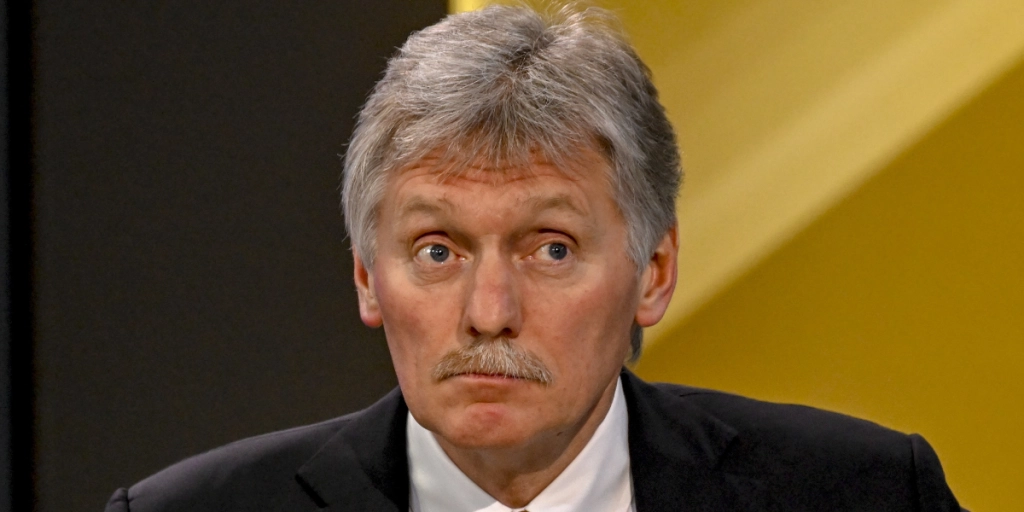
Then came a rare word from the Kremlin itself. Spokesman Dmitry Peskov said he assumed Ukrainian forces had also used the ceasefire to regroup, adding that adjusting positions during such a pause was “standard practice.” He said he lacked specific details about the movements.
While Peskov did not admit that Russian forces had regrouped—referring specific troop movements to the Defense Ministry—Kyiv and independent observers viewed his dismissal of such actions as ‘standard practice’ as a tacit refusal to deny the claims.
The General Staff of the Armed Forces of Ukraine has firmly denied using the truce to regroup, stating on Nov. 2 that its units “ensured compliance with the ceasefire and acted strictly within the terms of the agreements reached.”


What Ukraine said Russia was doing
Ukraine’s General Staff listed four categories of activity it said it had tracked inside Oleshky during the pause: unit rotation, strengthened fortifications, expanded anti-drone netting along supply roads, and heavier ammunition deliveries.
That claim did not rest only on Ukrainian military communiqués. Sky News reporters at the Ukrainian Marines’ 34th Separate Brigade headquarters obtained drone footage of Russian armored vehicles moving openly through Oleshky, as well as troops carrying rucksacks into basements and bodies being loaded from a hospital morgue, Ukrainska Pravda’s English edition reported, citing Sky News.
Commander Dmytro Pulinets told Sky News that Russian units had previously avoided moving through the town in daylight, but during the ceasefire they operated “day and night.”
Nearly 800 evacuated
The ceasefire covering Oleshky, in the Russian-occupied part of the Kherson region, was arranged to let civilians leave and aid come in.
Nearly 800 residents left during the six-day window, which ran from 03:00 on October 27 to 22:59 on November 1.
By Monday, Ukraine’s General Staff had accused Moscow of using the lull to shift troops and supplies into stronger positions.



