
 Jens Asbjørn Bøgen

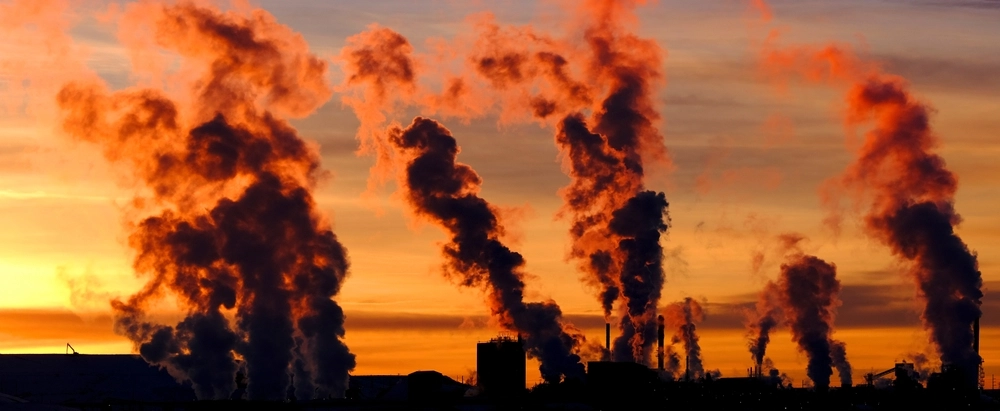
The air outside your window may be doing more damage than almost any single disease, and researchers have just put a dollar figure on it.


A new analysis out of the University of Cambridge has worked through the air that billions of people breathe every day in low- and middle-income countries and matched it against what the World Health Organization says is safe.
The gap is not small. It is not even close.
Across 136 countries, the average concentration of fine particulate matter known as PM2.5 is sitting at 30.44 micrograms per cubic meter of air, more than six times the WHO’s recommended ceiling of 5 micrograms.
The result, published Tuesday in the journal Environment International, is a preventable death toll in the millions.


Meeting the WHO’s PM2.5 guideline could prevent or postpone an estimated 9.4 million deaths each year across those 136 countries, the Cambridge team reported. Bringing nitrogen dioxide, a pollutant tied largely to traffic and fuel burning, down to WHO levels would save a further 1.1 million lives.
A price tag in the trillions
The researchers did not stop at the mortality count. They converted the lives that would be saved into an economic figure and landed on Int$8.4 trillion a year in societal welfare gains, a measure adjusted for purchasing power between countries.
That sum is roughly 10.7 percent of the combined gross domestic product of the 136 countries studied, according to the analysis published in Environment International.
The health benefits spread across several of the illnesses that fill hospital wards worldwide. If PM2.5 levels dropped to WHO guidelines, there would be 7.3 million fewer coronary heart disease cases in a single year, 2.8 million fewer cases of chronic obstructive pulmonary disease, 2.3 million fewer strokes, and 1.1 million fewer dementia cases.
What the researchers are urging
Direct medical savings alone would reach Int$11.8 billion for coronary heart disease treatment, Int$5.9 billion for stroke, and Int$8.6 billion for dementia, with further productivity gains running into the tens of billions.
Haneen Khreis of Cambridge’s IMS Epidemiology Unit framed the findings as a planning problem as much as a health one.
“Meeting the WHO’s air quality guideline values will not be straightforward, but low- and middle-income countries have a critical opportunity to shape healthier futures as their populations grow and their cities expand,” Khreis said in the Cambridge announcement. “Economic development is essential for these countries, but it need not come at the expense of public health.”
Her co-author, Dr. Annalan Navaratnam, told the university’s news service that the modeling was the first of its kind at this scale. For the first time, he said, researchers could estimate the benefits of the WHO’s clean air guidelines across the countries with the highest outdoor pollution levels, both in deaths averted and in economic terms.
A global baseline that keeps slipping
The WHO tightened its air quality guidelines in 2021, cutting the recommended annual PM2.5 limit from 10 to 5 micrograms per cubic meter and the NO2 limit from 40 to 10 micrograms per cubic meter. Few countries, rich or poor, have adjusted their national standards to match.
The Cambridge paper, titled “Health and Economic Impacts of Achieving WHO Air Quality Targets in 136 Low- and Middle-Income Countries,” is available in Environment International with the identifier 10.1016/j.envint.2026.110577.



